
Hey there! Some links on this page may be affiliate links which means that, if you choose to make a purchase, I may earn a commission at no extra cost to you. I greatly appreciate your support. Read the full disclosure here.
The Ultimate Emergency Preparedness Guide for Preppers (2026)
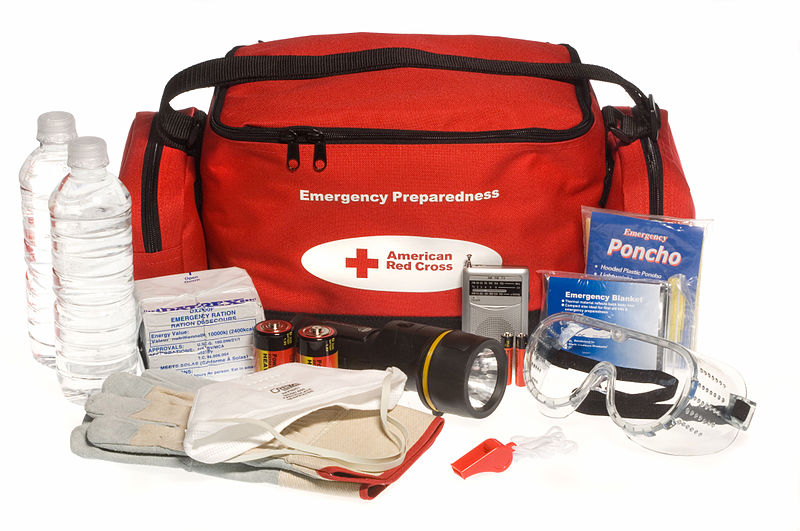
Emergency preparedness means having the supplies, skills, and plans in place before a crisis hits — not after. Whether the threat is a natural disaster, a grid failure, or a prolonged regional emergency, prepared individuals and families consistently fare better than those who rely on emergency services alone. The core pillars are water, food, shelter, medical readiness, communication, and a practiced plan that every household member understands.
Key Takeaways
- FEMA recommends a minimum 72-hour supply of food and water, but most experienced preppers consider two weeks the realistic baseline for serious preparedness.
- A bug-out bag should sustain one person for at least 72 hours and be packed before an emergency, not during one.
- Survival skills — fire-starting, water purification, navigation, first aid — matter more than gear when things go wrong.
- Every preparedness plan must be personalized: age, health conditions, pets, and location all change what you need.
- Communication plans and pre-designated meeting points are among the most overlooked elements of family preparedness.
- Mental resilience is a survival skill. Stress management and calm decision-making under pressure can be practiced.
- Rotate food and water stockpiles regularly — expired supplies are a false sense of security.
- Protecting physical copies of vital documents (ID, insurance, medical records) in a waterproof container is a simple step most people skip.
Understanding the Importance of Emergency Preparedness
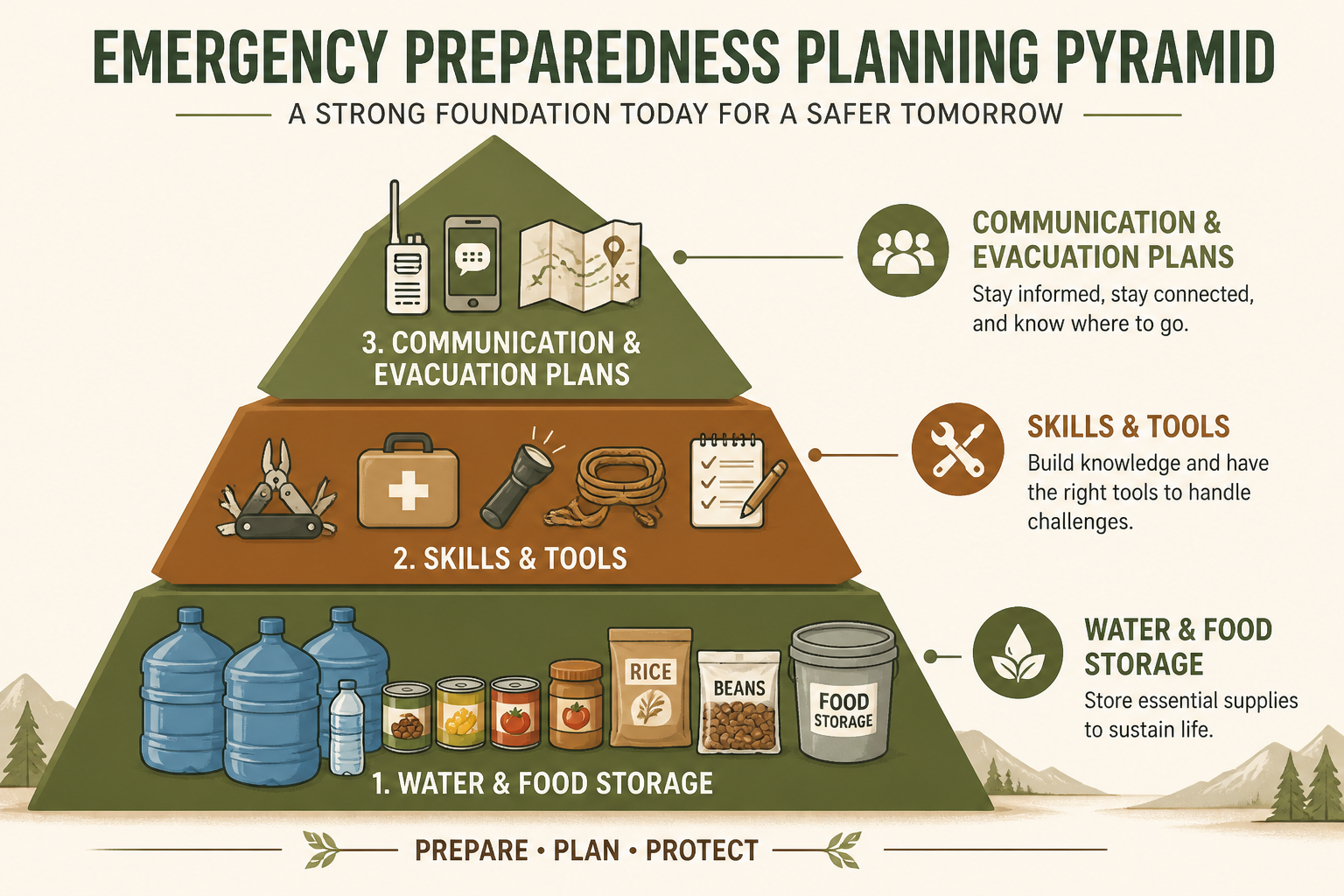
Emergency preparedness is the practice of taking deliberate, proactive steps to protect yourself and your family before a crisis occurs. It applies to everyone — not just preppers — because no geographic location is immune to disruption.
Natural disasters, infrastructure failures, pandemics, civil unrest, and localized emergencies happen with little or no warning. According to FEMA’s 2024 National Preparedness Report, fewer than half of American households have an emergency plan that all members know. That gap between risk and readiness is exactly where preparedness begins.
Being prepared isn’t about fear. It’s about removing panic from the equation. When supplies are stocked, skills are practiced, and plans are in place, a crisis becomes a problem to manage rather than a catastrophe to survive by luck. That shift in mindset — from reactive to proactive — is the foundation of the prepper lifestyle.
For those just starting out, getting started with a preparedness lifestyle is the most practical first step before buying a single piece of gear.
Deciding What to Prepare For
Start with the most likely threats in your specific region, then work outward to broader scenarios.
The most effective preparedness plans are threat-specific first, then general. A household in coastal Florida faces different primary risks than one in rural Montana or suburban Chicago. Identifying your regional hazards — hurricanes, tornadoes, wildfires, earthquakes, flooding, extreme winter storms — shapes every decision that follows.
Start with your local threat profile:
- Check FEMA’s Hazard Mitigation Plans for your county or state.
- Review historical disaster data for your zip code through the National Centers for Environmental Information (NCEI).
- Consider man-made threats: industrial accidents, power grid vulnerabilities, civil unrest, and infrastructure failures.
- Account for personal circumstances: chronic health conditions, elderly family members, infants, or pets all create specific vulnerabilities.
Beyond the immediate event, think about the aftermath. A hurricane’s direct impact might last hours. The loss of power, clean water, and access to stores can last weeks. Preparation needs to cover both the crisis and the recovery period that follows it.
For families with specific needs, the disaster preparedness strategies for families guide covers scenario-specific planning in detail.
Creating a Personalized Preparedness Plan
A preparedness plan that works is one built around the real people who will use it — not a generic template downloaded from the internet.
Generic checklists are a starting point, not a finish line. The most effective plans account for the specific needs, limitations, and capabilities of every person in the household. A plan designed for two healthy adults in their thirties looks very different from one built for a family with young children, an elderly grandparent, or a member with a chronic medical condition.
When building your plan, account for:
- Physical capabilities: Can everyone in the household carry a bug-out bag? Can they walk several miles if needed?
- Medical needs: Prescription medications, mobility aids, oxygen equipment, or dietary restrictions require specific planning.
- Children and infants: Formula, diapers, comfort items, and age-appropriate communication about what to do.
- Pets: Food, carriers, medications, and vaccination records. (See the pets emergency preparedness checklist for a full breakdown.)
- Geographic factors: Urban, suburban, or rural settings each present different evacuation and shelter-in-place dynamics.
The plan itself should define two scenarios clearly: shelter in place (staying home during the emergency) and evacuation (leaving quickly with what you can carry). Both require different resources and different decision triggers.
Write the plan down. Share it with every household member. Review it at least twice a year.
Building a Survival Skills Set
Gear fails. Batteries die. Supplies run out. Skills don’t.
The most prepared person in any crisis is the one who can improvise when equipment isn’t available. Physical survival skills — fire-starting, water purification, shelter building, foraging, navigation — are the foundation that makes every other preparation more effective.
Core survival skills every prepper should develop:
- Water sourcing and purification: Knowing how to find, filter, and purify water from natural sources is non-negotiable. Dehydration becomes a threat within 24 hours.
- Fire starting: Without matches or a lighter, can you start a fire? Friction-based methods (bow drill, fire plow) take practice to master.
- Shelter building: Hypothermia can kill in temperatures well above freezing, especially in wet conditions. Knowing how to build emergency shelter from available materials is a critical skill.
- Navigation without GPS: Map reading and compass use are skills that work when phones and batteries don’t. The complete beginner’s guide to navigation without GPS is a solid starting point.
- First aid: Covered in depth below, but CPR, wound care, and emergency response training belong in every prepper’s skill set.
- Foraging and hunting basics: Long-term survival scenarios may require supplementing stored food with wild sources.
For a comprehensive breakdown of what to learn and in what order, the 14 essential survival skills every prepper must know guide covers the full spectrum.
Mental resilience belongs on this list too. Stress impairs decision-making. Panic wastes energy and time. Practicing scenarios — even simple tabletop exercises with family members — builds the mental muscle memory that keeps people calm when it matters most.
Essential Items for a Bug-Out Bag
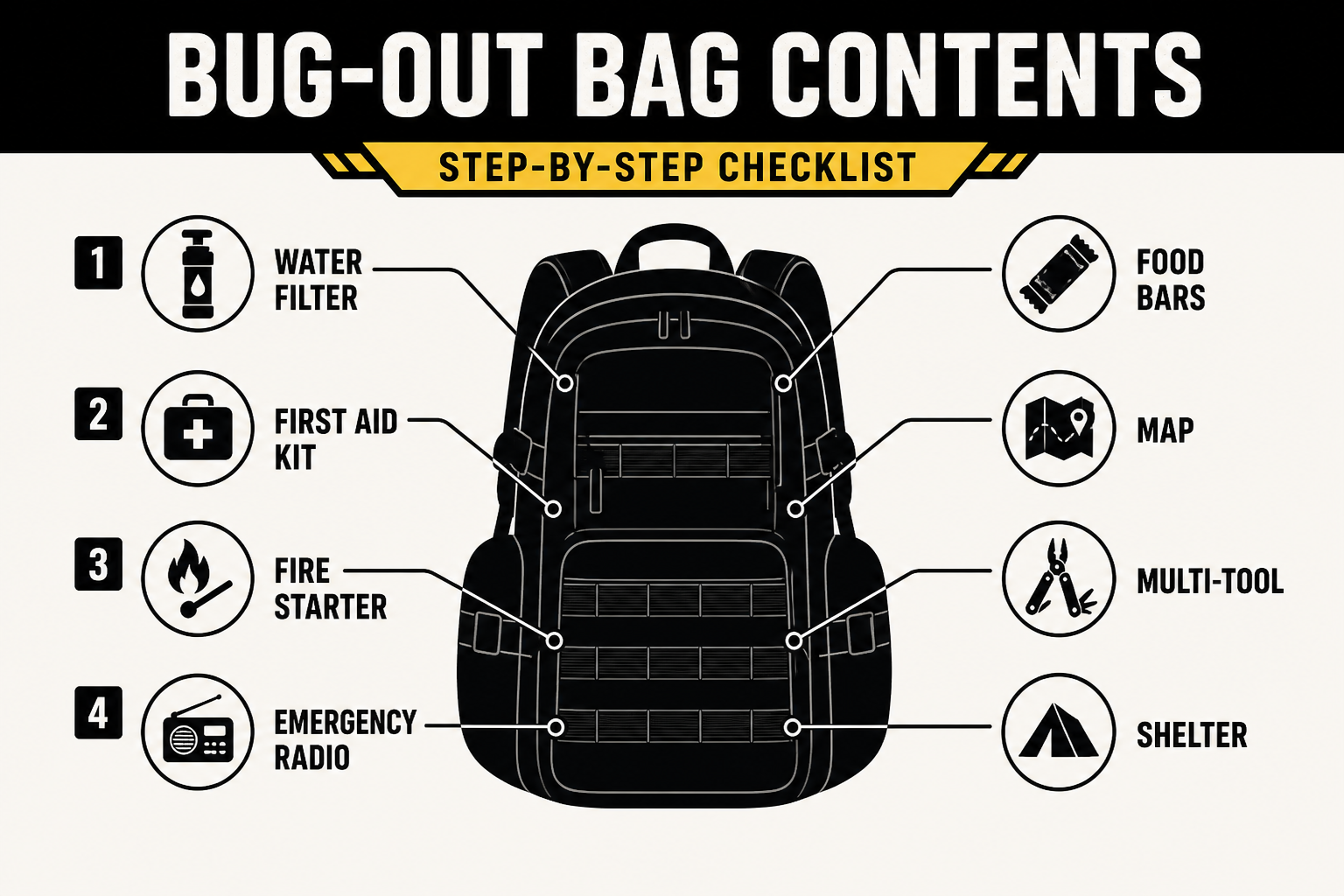
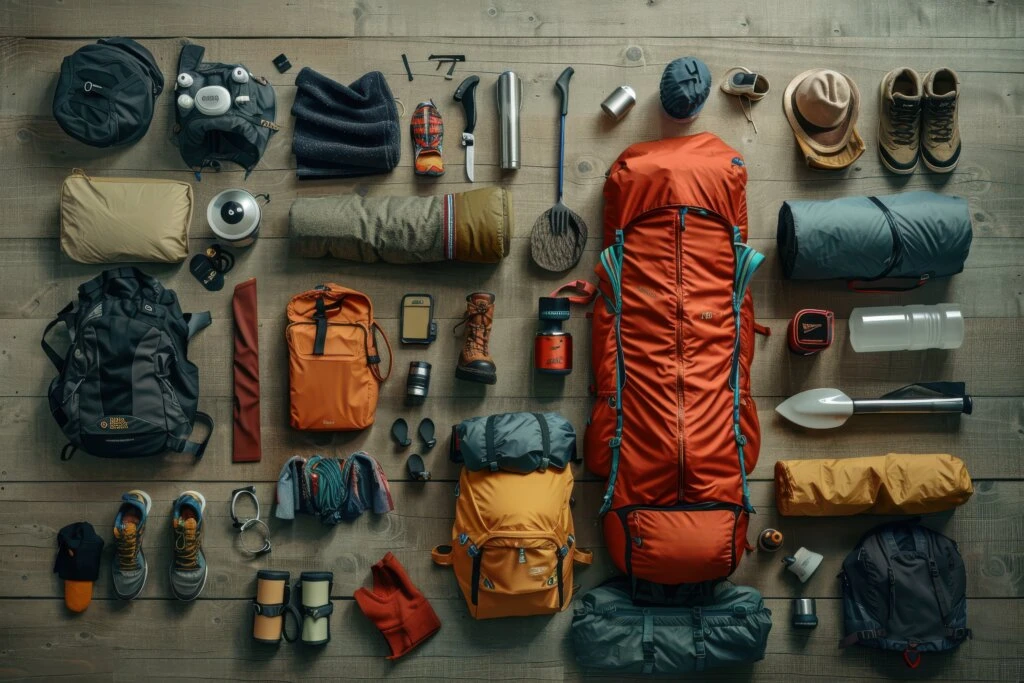 A bug-out bag is a pre-packed bag containing everything needed to survive for at least 72 hours if you must leave home immediately. It should be ready to grab and go at any moment.
The 72-hour window is the baseline. It accounts for the time typically needed to reach safety, connect with emergency services, or get to a secondary location. Every adult in the household should have their own bag, sized and weighted to what they can realistically carry.
Core bug-out bag contents:
- Water: At minimum one liter per person per day, plus a portable water filter (LifeStraw or Sawyer Squeeze) and purification tablets as backup.
- Food: High-calorie, lightweight, non-perishable options — energy bars, freeze-dried meals, jerky, nuts. Aim for 1,500–2,000 calories per day.
- Shelter: Emergency mylar blanket, lightweight tarp, or compact bivy sack.
- Fire starting: Waterproof matches, a BIC lighter, and a ferrocerium rod — carry all three.
- First aid kit: Pre-assembled or custom-built. Include any personal medications.
- Navigation: Printed topographic maps of your region and a baseplate compass.
- Communication: Hand-crank or battery-powered emergency radio (NOAA-capable).
- Light: Headlamp with extra batteries. Hands-free lighting matters more than a handheld flashlight.
- Multi-tool or survival knife: A quality fixed-blade knife and a multi-tool cover most field tasks.
- Personal documents: Copies of ID, insurance cards, emergency contacts, and medical records in a waterproof bag.
- Cash: Small bills. ATMs and card readers don’t work during power outages.
- Extra clothing: Season-appropriate layers, sturdy footwear, rain gear.
For a complete, prioritized list, the 72-hour bug-out bag checklist covers every category with specific product recommendations. If you’re just starting out, the bug-out bag guide for beginners walks through the process step by step.
Common mistakes to avoid:
- Overpacking to the point the bag can’t be carried for more than a mile
- Forgetting to account for children’s needs in a family bag setup
- Packing items never tested or practiced with
- Neglecting to rotate food and water annually
The bug-out bag mistakes to avoid guide covers the most common errors in detail.
Stockpiling Food and Water Supplies
The baseline recommendation from FEMA is 72 hours of food and water. Experienced preppers treat two weeks as the realistic minimum, and 30–90 days as a serious preparedness goal.
Water is the priority. The human body can survive weeks without food but only days without water. Store a minimum of one gallon per person per day — accounting for drinking and basic sanitation. For a family of four, a two-week supply means a minimum of 56 gallons. Store water in food-grade containers, away from direct sunlight and chemical exposure. Rotate every six to twelve months.
Food storage principles:
- Focus on foods your household already eats. Rotating through your stockpile is easier when the food is familiar.
- Prioritize caloric density and shelf life: white rice (25+ year shelf life when sealed), dried beans, oats, canned goods, freeze-dried meals, and honey.
- Account for cooking requirements. If the power is out, can you actually prepare what you’ve stored?
- Don’t forget a manual can opener.
- Consider special dietary needs: gluten intolerance, allergies, infant formula, or diabetic-friendly options.
| Supply Category | 72-Hour Minimum | 2-Week Goal | 90-Day Target |
|---|---|---|---|
| Water (per person) | 3 gallons | 14 gallons | 90 gallons |
| Calories (per person/day) | 1,500–2,000 | 1,500–2,000 | 1,500–2,000 |
| Food type | Ready-to-eat | Mix of canned/dry | Full pantry rotation |
| Fuel for cooking | Optional | Recommended | Essential |
For a deep dive into what to store and how to store it, the long-term food storage beginner’s guide and the emergency water storage and purification guide are the two most useful resources to start with.
Choosing the Right Equipment and Tools
The right tools are the ones you know how to use, have tested in realistic conditions, and can maintain without specialized knowledge.
Gear selection is where many new preppers overspend and under-think. A $400 tactical knife is useless if the owner doesn’t know how to sharpen it or use it effectively. Prioritize function, reliability, and personal familiarity over brand prestige or tactical aesthetics.
Essential equipment categories:
- Cutting tools: A quality fixed-blade survival knife and a folding multi-tool cover most tasks. Learn to maintain both. The survival knife training guide covers what to look for and how to use one properly.
- Water purification: Gravity filters (Sawyer, Berkey), pump filters, UV purifiers (SteriPen), and chemical tablets each have different use cases. Carry at least two methods.
- Fire and heat: Waterproof matches, lighters, ferrocerium rods, and a small camp stove with fuel canisters for shelter-in-place scenarios.
- Shelter: Tarps, bivy sacks, emergency blankets, and paracord for improvised shelter construction.
- Power and communication: A hand-crank emergency radio, a solar-powered battery bank, and a headlamp with lithium batteries (longer shelf life than alkaline).
- Navigation: Baseplate compass and printed topographic maps. Practice using them before you need them.
Decision rule: Choose X if…
- Choose a gravity filter (Sawyer Squeeze, Berkey) if you’re sheltering in place with a water source nearby.
- Choose a UV purifier (SteriPen) if you’re mobile and need fast, lightweight purification of clear water.
- Choose chemical tablets if you need an ultra-lightweight backup that fits in a pocket.
Medical Supplies and First Aid Training
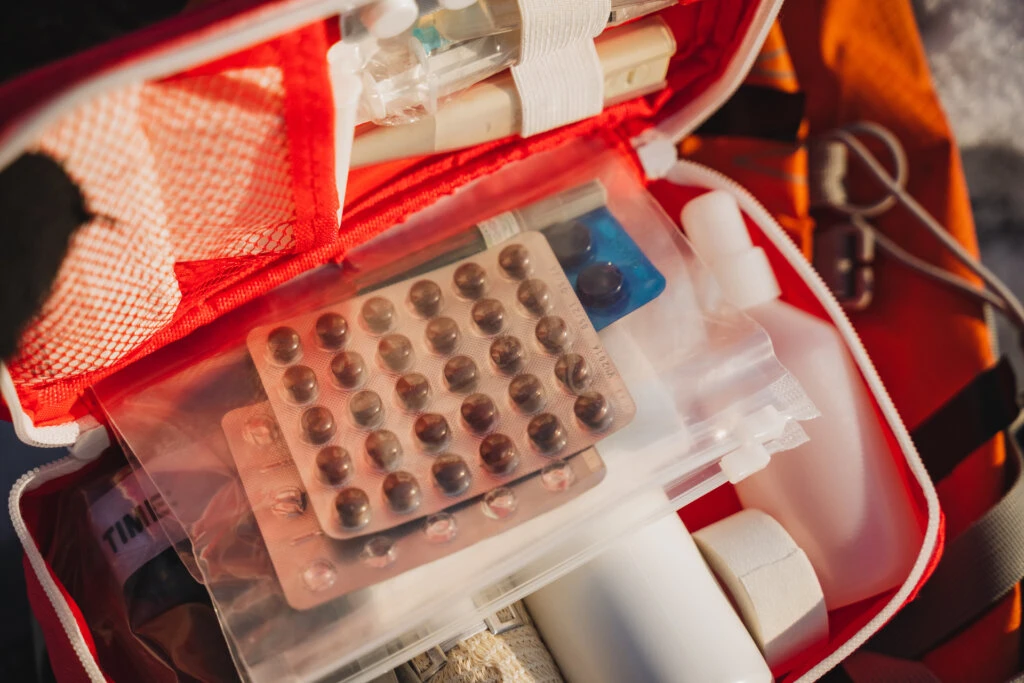 In a crisis, professional medical help may be unavailable for hours or days. The ability to manage injuries and illness at home or in the field is one of the most valuable preparedness skills anyone can develop.
A well-stocked first aid kit combined with hands-on training is more valuable than the most expensive gear setup. Supplies without skills are just supplies. Skills without supplies can still save lives.
Essential medical supplies for a home preparedness kit:
- Adhesive bandages in multiple sizes
- Sterile gauze pads and rolled gauze
- Medical tape
- Elastic bandages (ACE wraps)
- Tourniquets (CAT or SOFTT-W — learn to use them correctly)
- Hemostatic gauze (QuikClot or Celox)
- Antiseptic wipes and solution
- Nitrile gloves (multiple pairs)
- CPR face shield or pocket mask
- SAM splints
- Tweezers and medical scissors
- Thermometer
- Over-the-counter medications: pain relievers, antihistamines, antidiarrheal, antacids
- Prescription medications: minimum 30-day supply if possible
- Emergency reference guide (printed, not digital)
Training to prioritize:
- CPR and AED certification — available through the American Red Cross and American Heart Association
- Stop the Bleed — a free course focused on hemorrhage control, available nationwide
- Wilderness First Aid (WFA) — a 16–20 hour course designed for situations where professional help is delayed
- Basic wound care, splinting, and burn management
Check the 15 things missing from your emergency kit for commonly overlooked medical items that could matter in a real emergency.
Creating a Home Preparedness Kit
A home preparedness kit is the stationary counterpart to a bug-out bag — designed for sheltering in place rather than evacuation. It should be more comprehensive and can accommodate heavier, bulkier supplies.
Think of the home kit as the foundation and the bug-out bag as the emergency subset. If you’re staying put, you have access to everything. If you’re leaving, you grab the bag and go.
Home preparedness kit essentials beyond food and water:
- Battery-powered or hand-crank NOAA weather radio
- Flashlights and lanterns with extra batteries
- Portable power station or generator (with fuel stored safely)
- Manual can opener and basic cooking equipment
- Sanitation supplies: toilet paper, hand sanitizer, waste bags, portable toilet if needed
- Warm blankets and sleeping bags
- Basic tools: wrench to shut off gas, screwdrivers, duct tape, work gloves
- Fire extinguisher (check expiration dates annually)
- Copies of vital documents in a waterproof, fireproof container
- Cash in small denominations
- Local maps and contact lists printed on paper
Store the kit in an accessible, central location — not buried in a basement behind holiday decorations. Every household member should know where it is and what’s in it.
Establishing a Safe Meeting Point
Every family needs at least two pre-designated meeting points: one near the home, and one outside the immediate neighborhood.
This is one of the most commonly skipped steps in family emergency planning, and one of the most consequential. If a fire, gas leak, or evacuation forces family members out of the house at different times, everyone needs to know exactly where to go without needing to communicate first.
How to establish meeting points:
- Near-home point: A specific spot on your street or block — a neighbor’s driveway, a corner, a landmark. Used when you can’t re-enter the home.
- Out-of-neighborhood point: A location reachable on foot if roads are blocked — a school, community center, or park. Used when the immediate area is unsafe.
- Out-of-region point: A friend’s or family member’s home outside your city or region. Used in large-scale evacuation scenarios.
Assign a primary and backup contact person outside your area who can serve as a communication hub if local lines are overwhelmed. Make sure every family member has this person’s number memorized — not just stored in a phone.
Communication Plans in Emergencies
Cell networks frequently fail during major emergencies due to tower damage or overload. A communication plan that doesn’t rely solely on smartphones is essential.
Build a layered communication strategy:
- Text before calls: Text messages often get through when voice calls can’t during network congestion.
- Out-of-area contact: Designate one person outside your region as the family communication hub. It’s often easier to reach someone 500 miles away than someone across town during a local emergency.
- NOAA weather radio: Receives emergency alerts without internet or cell service.
- FRS/GMRS radios (walkie-talkies): Useful for short-range family communication when cell networks are down. No license required for FRS; GMRS requires an FCC license.
- Ham radio: For serious preppers, an amateur radio license (Technician class) opens up a broad range of communication options, including long-distance contact and local emergency networks.
- Written contact list: Phone numbers, addresses, and meeting points printed on paper and stored in every bag and the home kit. Phones die; paper doesn’t.
Maintaining Physical and Mental Health
Physical fitness and mental resilience are preparedness assets that no amount of gear can replace.
A person who can walk 10 miles with a loaded pack, stay calm under pressure, and make rational decisions when exhausted has a significant survival advantage over someone with a perfectly stocked kit but no physical or mental conditioning.
Physical preparedness:
- Build cardiovascular endurance through regular walking, hiking, or running.
- Practice carrying your bug-out bag on actual hikes to understand your real capacity.
- Maintain flexibility and strength — both matter for physical tasks in a crisis.
- Know your physical limitations honestly and plan around them.
Mental preparedness:
- Run through scenarios mentally and with family members. Tabletop exercises build familiarity and reduce panic.
- Learn stress management techniques: controlled breathing, situational awareness, and deliberate decision-making frameworks.
- Read accounts from people who have survived real disasters — the psychological patterns are instructive.
- Avoid information overload in the prepper community. Anxiety about every possible threat is counterproductive.
Protecting Vital Documents and Finances
Losing access to identity documents, insurance policies, and financial records during a disaster can extend the recovery period by months. Protecting these assets costs almost nothing and takes an afternoon.
Documents to protect:
- Government-issued ID (passport, driver’s license)
- Social Security cards and birth certificates
- Insurance policies (home, health, auto, life)
- Property deeds and vehicle titles
- Medical records and prescription information
- Bank account information and emergency contact numbers
- Will and power of attorney documents
How to protect them:
- Store originals in a fireproof, waterproof safe at home.
- Keep certified copies in a waterproof bag in your bug-out bag.
- Store digital copies in an encrypted cloud service (not just a local hard drive).
- Give a trusted person outside your household access to copies.
Financial preparedness:
- Keep a cash reserve at home in small bills. ATMs and card readers fail during power outages.
- Know your insurance coverage before a disaster. Understand what’s covered and what the claims process requires.
- Maintain an emergency fund in a liquid savings account — separate from your regular checking.
Preparing for Long-Term Survival Scenarios
 Short-term preparedness handles most emergencies. Long-term preparedness addresses scenarios where normal systems — supply chains, utilities, medical services, law enforcement — are disrupted for weeks or months.
These scenarios are less common but not hypothetical. Extended grid failures, pandemic-level events, and regional infrastructure collapse have all occurred within living memory. Preparing for them requires a different mindset: moving from consumption to production.
Long-term preparedness priorities:
- Food production: A garden, even a small one, supplements stored food and builds long-term food security. Learn basic seed saving and soil management.
- Water independence: A well, rainwater collection system, or reliable natural water source near your location changes the long-term calculus significantly.
- Energy independence: Solar panels, battery banks, and backup generators reduce dependence on the grid. The off-grid living guide covers this in depth.
- Community: Isolated individuals are more vulnerable than connected communities. Building relationships with neighbors and local preparedness groups dramatically increases long-term resilience.
- Security: Home security and personal protection become more relevant in extended grid-down scenarios. The home defense guide for preppers addresses this directly.
- Medical self-sufficiency: Expand first aid training to include wound closure, infection management, and chronic disease management without pharmacy access.
For scenarios involving infrastructure attacks, the EMP and grid failure survival guide is worth reading.
Continually Updating and Practicing Your Plan
A preparedness plan that hasn’t been reviewed in two years is a plan built for who you were, not who you are now.
Life changes. Children grow. Health conditions develop. You move. New threats emerge. The plan needs to keep pace.
Maintenance schedule:
- Every 6 months: Review and rotate food and water supplies. Check expiration dates on medications and batteries. Update contact lists.
- Annually: Full review of the preparedness plan. Update for any life changes. Practice a full evacuation drill with all household members.
- After any significant life change: New baby, new home, new health condition, new job location — any of these can change the plan significantly.
Practice matters as much as planning:
- Run a 72-hour drill where the household lives only on stored supplies. It reveals gaps faster than any checklist.
- Practice evacuating with your bug-out bag. Time it. Identify what slows you down.
- Test your communication plan. Can every family member reach the out-of-area contact?
- Practice skills, not just theory: start a fire, purify water, use the compass, apply a tourniquet.
The goal is not perfection. It’s familiarity. When stress is high and time is short, practiced responses replace panicked improvisation.
FAQ
Why is it important to continually update and practice my preparedness plan?
Because life changes and emergencies don’t wait for you to catch up. A plan built for last year’s household, location, or health situation may fail when it matters most. Regular reviews and practice drills keep the plan accurate and the household capable of executing it under pressure.
How often should I update my preparedness plan?
Review it every six months for supply rotation and contact updates. Do a full plan review annually. Update immediately after any significant life change — new family member, new home, new medical condition, or a major local disaster that revealed gaps in your current setup.
What are some factors to consider when creating a personalized preparedness plan?
Start with your regional threat profile, then account for the specific needs of every household member: age, physical ability, medical conditions, dietary requirements, and pets. Also consider whether your primary scenario is shelter-in-place or evacuation, and plan resources for both.
What are the most essential survival skills to learn first?
Water sourcing and purification, basic first aid (including bleeding control and CPR), fire starting, and navigation without GPS. These four address the most immediate life-threatening gaps in most people’s preparedness. Build from there.
What should be in a bug-out bag?
At minimum: water and a purification method, 72 hours of food, emergency shelter, fire-starting tools, a first aid kit, a headlamp, a multi-tool or knife, a compass and printed maps, an emergency radio, cash, and copies of vital documents. Weight and packability matter — if you can’t carry it, it won’t help.
How much food and water should I stockpile?
FEMA’s minimum is 72 hours. A realistic preparedness baseline is two weeks. Serious preppers aim for 30–90 days. Store one gallon of water per person per day. For food, prioritize caloric density, shelf life, and foods your household will actually eat.
What equipment is most important for emergency preparedness?
A water purification system, a reliable light source, fire-starting tools, a multi-tool or fixed-blade knife, an emergency radio, and navigation tools. Prioritize quality and familiarity over quantity.
What medical supplies are most critical?
A tourniquet (and the training to use it), hemostatic gauze, wound dressings, antiseptic, a CPR mask, nitrile gloves, and a 30-day supply of any prescription medications. Add Stop the Bleed training — it’s free and potentially life-saving.
How do I establish a safe meeting point?
Choose three locations: one near your home, one outside your neighborhood, and one outside your region. Make sure every household member knows all three by memory, not just by saved contact in a phone.
How should I prepare for long-term survival scenarios?
Move beyond consumption and toward production. Develop food-growing capacity, a reliable water source, energy independence, and community relationships. Expand medical training. Build security awareness. These elements take time to develop — start early, build incrementally.
Why is protecting vital documents important?
Because losing access to identity documents, insurance records, and financial information after a disaster can delay recovery by months. A waterproof bag with certified copies of key documents costs almost nothing and can prevent enormous post-disaster complications.
Is emergency preparedness only for extreme scenarios?
No. Most preparedness investments — stored food, a first aid kit, a communication plan, a 72-hour bag — are useful in everyday emergencies: job loss, extended illness, winter storms, or local power outages. Preparedness scales from the mundane to the extreme, and the basics apply across all of it.
Products, Tools, and Resources
These are tools and resources that consistently come up in experienced prepper communities — not because they’re the most heavily marketed, but because they hold up under real use.
Water Purification
The Sawyer Squeeze filter is lightweight, reliable, and filters up to 100,000 gallons before replacement. It’s a staple in bug-out bags for good reason. For home use, the Berkey gravity filter handles larger volumes without electricity. Carry Aquatabs or Potable Aqua iodine tablets as a chemical backup — they weigh almost nothing and last years.
Emergency Food
Mountain House and Wise Company freeze-dried meals have 25–30 year shelf lives and require only hot water. For shorter-term storage, canned goods, white rice in mylar bags with oxygen absorbers, and dried beans are the most cost-effective options. The 50 best foods for long-term storage is a practical reference for building a real pantry.
First Aid
The North American Rescue CAT tourniquet is the standard used by military and emergency services. The Adventure Medical Kits Trauma Pack is a solid pre-assembled option for those who want a ready-made kit. Pair any kit with a Stop the Bleed course (free, available at stopthebleed.org).
Communication
The Midland WR400 is a reliable NOAA weather radio with a battery backup. For family communication, Midland T71 VP3 GMRS radios offer solid range and durability. For those willing to invest in a ham radio license, the Baofeng UV-5R is an affordable entry point.
Navigation
The Suunto A-10 baseplate compass is accurate, durable, and straightforward to use. Pair it with National Geographic Trails Illustrated topographic maps for your region — printed, laminated, and stored in your bag.
Power
The Jackery Explorer 300portable power station handles phone charging, small appliances, and CPAP machines for short-term outages. For longer scenarios, pairing it with a 100W foldable solar panel extends its usefulness indefinitely in sunny conditions.
Skill-Building Resources
The 14 essential survival skills every prepper must know and the 20 essential bushcraft skills for beginners are two of the most practical skill-building guides available for preppers at any experience level. For urban-specific preparedness, the urban survival guide for preppers addresses the unique challenges of city and suburban environments.
The best preparedness investment isn’t a product. It’s time spent learning, practicing, and building a plan that fits your actual life. Start there, and build everything else around it.