
Hey there! Some links on this page may be affiliate links which means that, if you choose to make a purchase, I may earn a commission at no extra cost to you. I greatly appreciate your support. Read the full disclosure here.
A pregnant woman has roughly 280 days to prepare for one of the most vulnerable periods of her life — and most emergency plans treat her as an afterthought. Standard prepper checklists cover food, water, and first aid, but they rarely account for prenatal vitamins, gestational complications, newborn feeding supplies, or the physical limits that come with carrying a child. Prepping while pregnant requires a different lens entirely.
This guide covers exactly what every expectant mom should stockpile, organized by urgency and trimester, with practical advice for every budget and risk level.
Key Takeaways
- Pregnant women need at least one gallon of water per day, more in the third trimester and during breastfeeding.
- Prenatal vitamins, prescription medications, and gestational diabetes supplies are non-negotiable stockpile items.
- Formula can be stockpiled in rotation, but breast milk storage requires a reliable power source or dry ice plan.
- Trimester-specific needs change dramatically — what matters in week 8 differs from what matters in week 36.
- High-risk pregnancies require a separate, more detailed emergency protocol reviewed with a healthcare provider.
- Budget-conscious preppers can build a solid pregnancy emergency kit for under $200 over 8 to 12 weeks.
- Avoid stockpiling medications not cleared by your OB, herbal supplements with unknown safety profiles, and expired supplies.
- A go-bag for labor and delivery should be ready by week 36 at the latest.
What Food Items Are Safe to Stockpile During Pregnancy
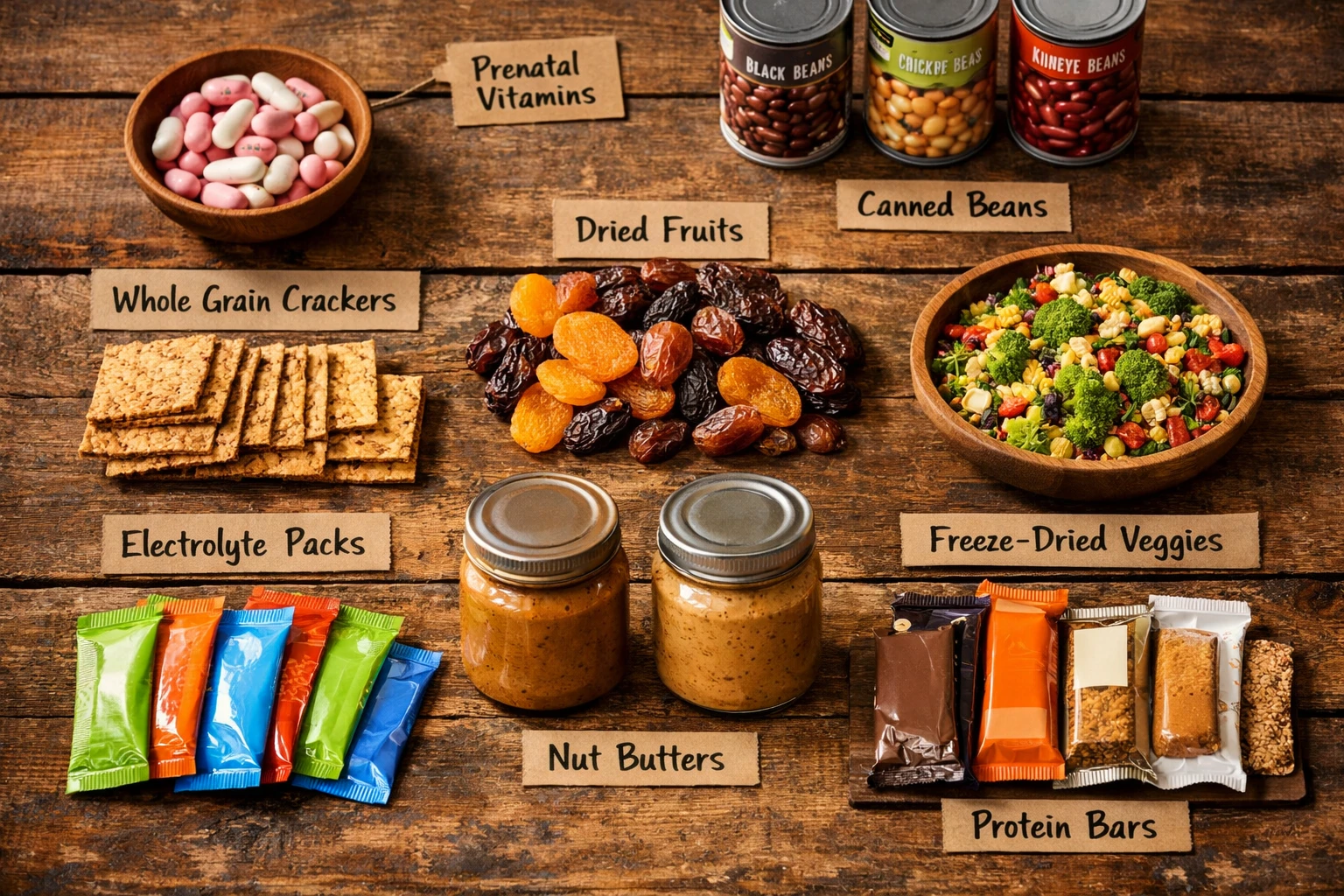
Pregnancy-safe emergency food storage focuses on nutrient density, low sodium, and foods that won’t aggravate nausea or gestational conditions. The goal is building a 30 to 90-day supply of foods that actually support fetal development, not just caloric survival.
Priority food categories for pregnant preppers:
- Protein sources: Canned wild-caught salmon, canned sardines (high in omega-3s), canned chicken, dried lentils, and nut butters. These support fetal brain development and maternal tissue repair.
- Complex carbohydrates: Whole grain crackers, oats, brown rice, and quinoa. These stabilize blood sugar, which matters especially for women managing gestational diabetes.
- Fruits and vegetables: Freeze-dried or canned options like spinach, sweet potatoes, tomatoes, and mixed berries. Look for low-sodium or no-salt-added cans.
- Healthy fats: Coconut oil, olive oil, and nuts. Fat-soluble vitamins (A, D, E, K) require dietary fat to absorb properly.
- Prenatal-specific additions: Folate-rich foods like dried black beans and lentils, iron-rich options like canned pumpkin and fortified cereals, and calcium sources like shelf-stable fortified plant milks.
For a broader foundation, the Ultimate Survival Pantry List provides a solid framework that expectant moms can adapt to their nutritional needs.
Common mistake: Relying heavily on ramen, instant soups, and high-sodium canned goods. Excess sodium during pregnancy can worsen edema and elevate blood pressure — two conditions that are already common complications.
How Much Water Should a Pregnant Woman Store
Pregnant women need more water than the standard prepper baseline. The general emergency recommendation is one gallon per person per day, but during pregnancy that figure should increase to at least 1.5 gallons per day, and higher in the third trimester or while breastfeeding.
For a 30-day supply, a pregnant woman should store a minimum of 45 gallons of clean drinking water. If she’s also preparing for a newborn, add another 0.5 to 1 gallon per day for formula preparation, sponge bathing, and sanitation.
Water storage guidelines for pregnant preppers:
| Stage | Minimum Daily Water | 30-Day Supply |
|---|---|---|
| First trimester | 1.5 gallons | 45 gallons |
| Second trimester | 1.5 gallons | 45 gallons |
| Third trimester | 2 gallons | 60 gallons |
| Postpartum/breastfeeding | 2+ gallons | 60+ gallons |
For detailed guidance on water storage containers, rotation schedules, and purification methods, the Ultimate Emergency Water Storage and Purification Guide is an essential companion resource. Also review bottled water shelf life facts before building your water supply — not all stored water stays safe as long as people assume.
What Medical Supplies Should You Keep on Hand While Pregnant
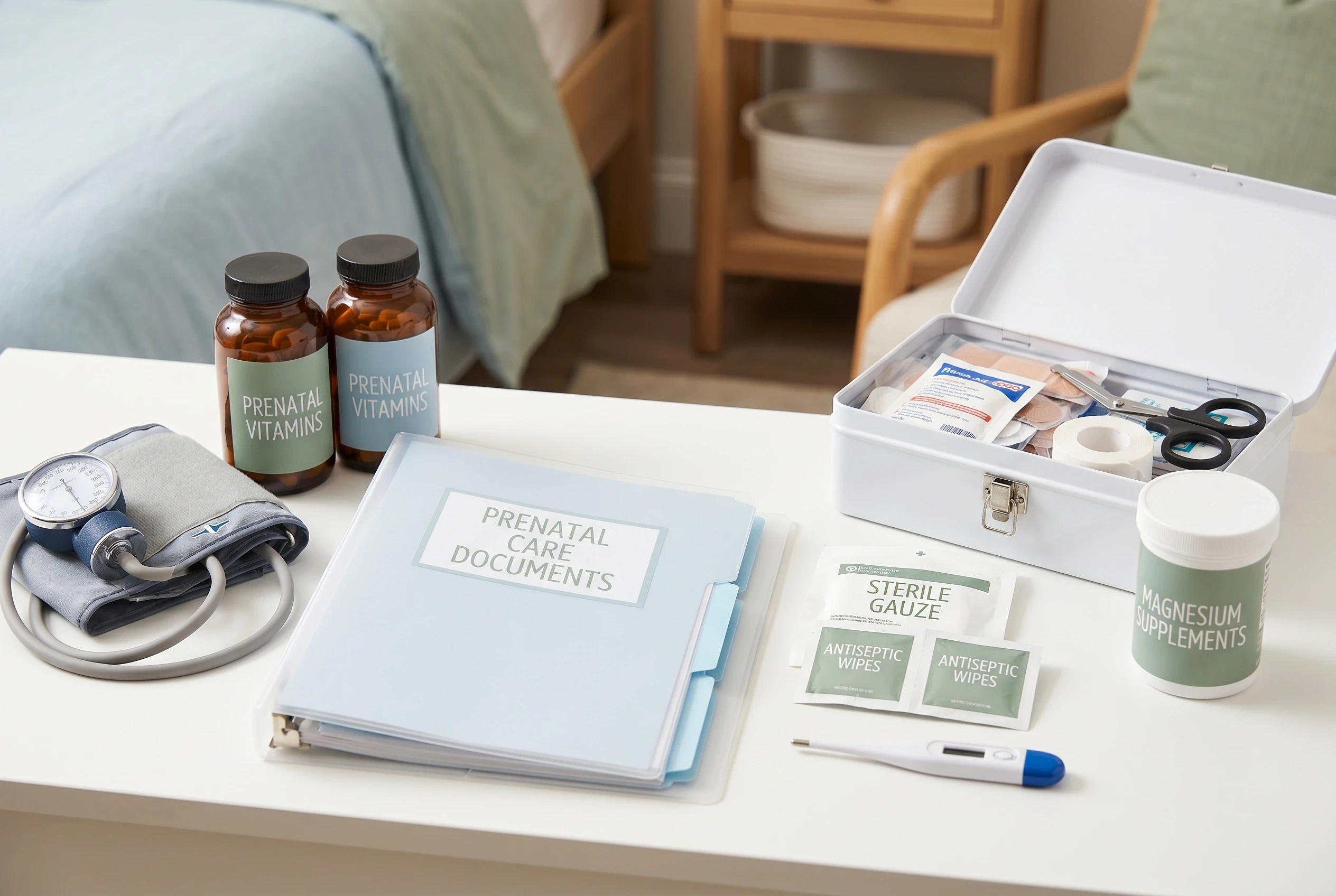
Every pregnant prepper needs a medical kit that goes well beyond a standard first aid box. The focus is on monitoring, comfort, and managing common pregnancy complications when professional care is delayed or unavailable.
Core medical supplies for a pregnancy emergency kit:
- Prenatal vitamins: Stock at least a 90-day supply. Look for methylfolate (the bioavailable form of folic acid), iron, DHA, and vitamin D3.
- Blood pressure monitor: Preeclampsia is a life-threatening condition. A home blood pressure cuff lets you track readings during a grid-down or evacuation scenario.
- Glucose monitoring supplies: If you have gestational diabetes or are at risk, stockpile test strips, lancets, and a glucometer with backup batteries.
- Magnesium glycinate: Commonly used for leg cramps and sleep support during pregnancy. Confirm dosage with your provider before stockpiling.
- Antacids (OB-approved): Calcium carbonate antacids like Tums are generally considered safe and address the near-universal issue of pregnancy heartburn.
- Compression socks: Critical for circulation during extended periods of reduced mobility or evacuation.
- Sterile gauze, medical tape, and antiseptic wipes: Standard wound care that becomes more important when hospital access is limited.
- Thermometer: Fever during pregnancy requires immediate attention. Having a reliable thermometer is non-negotiable.
- Perineal care supplies: Witch hazel pads, peri bottle, and sitz bath salts for postpartum recovery.
For a broader look at what most emergency kits miss, see the 15 things missing from your emergency kit that could cost you everything.
What Medications Are Safe to Keep in a Pregnancy Emergency Kit
Only stockpile medications that your OB or midwife has explicitly cleared. This is a firm rule, not a suggestion. Many over-the-counter drugs that are safe for non-pregnant adults carry real risks during pregnancy.
Generally considered safe (confirm with your provider):
- Acetaminophen (Tylenol) for pain and fever — avoid ibuprofen and aspirin unless specifically prescribed
- Calcium carbonate antacids for heartburn
- Certain antihistamines like diphenhydramine for allergies (first-generation, use cautiously)
- Docusate sodium (stool softener) for constipation
- Topical antibiotic ointment (Neosporin) for minor wounds
Avoid stockpiling without explicit OB approval:
- NSAIDs (ibuprofen, naproxen) — linked to fetal kidney issues and premature ductus arteriosus closure
- Herbal supplements marketed as “natural” — many have no safety data for pregnancy
- High-dose vitamins beyond prenatal recommendations, especially vitamin A (retinol form)
- Any prescription medication not specifically prescribed to you for this pregnancy
If you take prescription medications for a chronic condition, talk to your provider about obtaining a 90-day supply. Many insurers will accommodate this for documented emergency preparedness purposes.
How Pregnancy Prep Needs Change by Trimester
Prepping while pregnant isn’t a one-time task. Needs shift significantly across each trimester, and a smart preparedness plan accounts for those changes.
First Trimester (Weeks 1–12): The priority is establishing your supply base before energy levels drop. Nausea is often severe, so stockpile bland, easy-to-digest foods: crackers, ginger chews (ginger is considered safe for nausea), applesauce, and plain oats. Begin your prenatal vitamin stockpile now. Start building your water supply and document your medical providers, insurance information, and blood type in a waterproof document pouch.
Second Trimester (Weeks 13–26): Energy typically returns. Use this window aggressively. Build out your food storage, finalize your medical kit, and begin acquiring newborn supplies. This is the best time to take a hands-on first aid or emergency childbirth course. Review your family emergency plan and update it to reflect your pregnancy.
Third Trimester (Weeks 27–40): Mobility decreases. Focus shifts to labor preparedness, postpartum recovery supplies, and newborn needs. Your go-bag for labor and delivery should be packed and ready by week 36. Add colostrum collection supplies if you plan to breastfeed, and finalize your newborn feeding plan.
Can You Stockpile Breast Milk or Formula Ahead of Time
Formula can absolutely be stockpiled ahead of time, and doing so is strongly recommended for any prepper expecting a newborn. Breast milk storage is more complex and depends on your power situation.
Formula stockpiling guidelines:
- Buy in rotation — use the oldest cans first and replace them to maintain freshness.
- Store powdered formula in a cool, dry location away from direct sunlight.
- A 30-day supply for a newborn typically requires 3 to 4 large (32 oz) cans of powdered formula.
- Stock multiple brands if possible. The 2022 formula shortage demonstrated how quickly a single brand can disappear from shelves.
- Include ready-to-feed liquid formula in your emergency kit — it requires no water preparation, which is critical when clean water is scarce.
Breast milk storage in an emergency:
- Freshly expressed milk lasts 4 hours at room temperature, up to 4 days in a refrigerator, and 6 to 12 months in a deep freezer.
- If power is unreliable, a chest freezer with dry ice can maintain safe temperatures for 24 to 48 hours.
- Consider a manual breast pump as a backup — electric pumps are useless without power.
- Milk storage bags and a cooler with ice packs are essential go-bag additions for breastfeeding moms.
Emergency Prep Checklist for High-Risk Pregnancies
High-risk pregnancies — including those involving preeclampsia, gestational diabetes, placenta previa, multiples, or preterm labor history — require a more detailed emergency protocol than standard pregnancy prep.
Additional steps for high-risk expectant moms:
- Identify the nearest Level III or Level IV NICU within your evacuation radius and map two routes to it.
- Carry a printed medical summary including your diagnosis, current medications, blood type, and OB contact information.
- Stock a minimum 90-day supply of all condition-specific medications and monitoring supplies.
- Establish a check-in system with a trusted person who can verify your status during a disaster.
- Know the warning signs that require immediate evacuation to a medical facility regardless of road conditions: severe headache with vision changes, heavy vaginal bleeding, decreased fetal movement, or signs of preterm labor.
- Review disaster preparedness for families and adapt the protocols to your specific medical situation.
Decision rule: If your condition requires weekly monitoring (non-stress tests, biophysical profiles, or blood pressure checks), your emergency plan must include a protocol for what to do if those appointments become inaccessible for more than 72 hours.
What to Definitely Avoid Stockpiling While Pregnant
Some common prepper staples are inappropriate or outright dangerous during pregnancy. Knowing what to leave off your list is just as important as knowing what to add.
Avoid these in your pregnancy emergency stockpile:
- High-mercury fish: Canned albacore tuna in large quantities, king mackerel, and swordfish. Opt for canned light tuna or salmon instead.
- Unpasteurized foods: Avoid stockpiling raw honey for pregnant women (safe after delivery), unpasteurized cheeses, or fermented foods made with raw milk.
- Herbal teas with contraindicated herbs: Blue cohosh, pennyroyal, mugwort, and high-dose licorice root have all been associated with adverse pregnancy outcomes.
- Ibuprofen and aspirin: Do not include these as your primary pain relievers. Acetaminophen is the appropriate choice unless directed otherwise.
- Old or expired medications: Pregnancy is not the time to use medications past their expiration date. Potency and safety profiles can change.
- Alcohol-based hand sanitizers in large quantities near food: Accidental ingestion risk increases in chaotic emergencies with a newborn present.
Best Budget-Friendly Pregnancy Prep Strategies
Building a pregnancy emergency supply doesn’t require a large upfront investment. A disciplined, phased approach over 8 to 12 weeks can produce a comprehensive kit for $150 to $250.
Practical budget strategies:
- Buy one extra per shopping trip. Add one extra can of beans, one extra box of crackers, and one extra bottle of prenatal vitamins to your regular grocery run each week. Over 10 weeks, this builds significant depth without a single large purchase.
- Use WIC and insurance benefits strategically. WIC covers formula and certain foods. Some insurance plans cover a 90-day supply of prenatal vitamins and prescription medications.
- Prioritize shelf-stable over freeze-dried. Freeze-dried food is excellent for long-term storage, but canned and dry goods are far more affordable for a 30 to 90-day supply.
- Buy store-brand prenatal vitamins. The active ingredients in store-brand prenatal vitamins are often identical to those in premium brands at a fraction of the cost. Compare labels, not marketing.
- Shop sales and use cashback apps. Apps like Ibotta and Fetch Rewards regularly offer cashback on canned goods, baby formula, and health items.
For those just starting out, the Prepper Checklist for Beginners 30-Day System provides a cost-effective framework that adapts well to pregnancy-specific needs.
Common Mistakes First-Time Moms Make When Prepping for Baby
The most common mistake is waiting too long. Most first-time moms start thinking about emergency preparedness in the third trimester, when energy is lowest and mobility is most limited. Starting in the first trimester — even if just buying a few extra cans per week — makes the entire process manageable.
Other frequent mistakes:
- Forgetting postpartum needs. The focus on the baby often crowds out supplies for the mother’s recovery: heavy-flow pads, stool softeners, perineal spray, and supportive undergarments.
- Ignoring the go-bag until week 39. Pack your hospital bag by week 36. Babies arrive early without warning.
- Assuming the formula will always be available. The 2022 shortage proved otherwise. Stock at least a 30-day supply regardless of your feeding plan.
- Not accounting for a power outage with a newborn. Newborns need warmth. A power outage in winter with a newborn present is a genuine emergency. Plan for heat, formula warming, and lighting.
- Skipping the communication plan. Who will you call if you go into labor during a disaster? Does your partner know the route to the hospital? Is there a backup person who can drive you? Review emergency communication planning before your due date.
Pregnancy Survival Kit: Core Essentials Checklist
A complete pregnancy survival kit covers four categories: nutrition, medical, newborn, and documentation.
Nutrition (30-day minimum):
- Prenatal vitamins (90-day supply)
- Canned protein (salmon, chicken, lentils)
- Complex carbohydrates (oats, brown rice, crackers)
- Electrolyte packets (unflavored or lightly flavored)
- Ginger chews or ginger tea for nausea
- 45 to 60 gallons of stored water
Medical:
- Blood pressure monitor with extra batteries
- Thermometer
- Acetaminophen (OB-approved)
- Calcium carbonate antacids
- Compression socks (2 to 3 pairs)
- Prenatal-specific supplements (magnesium, DHA)
- Printed medical records and insurance cards
Newborn:
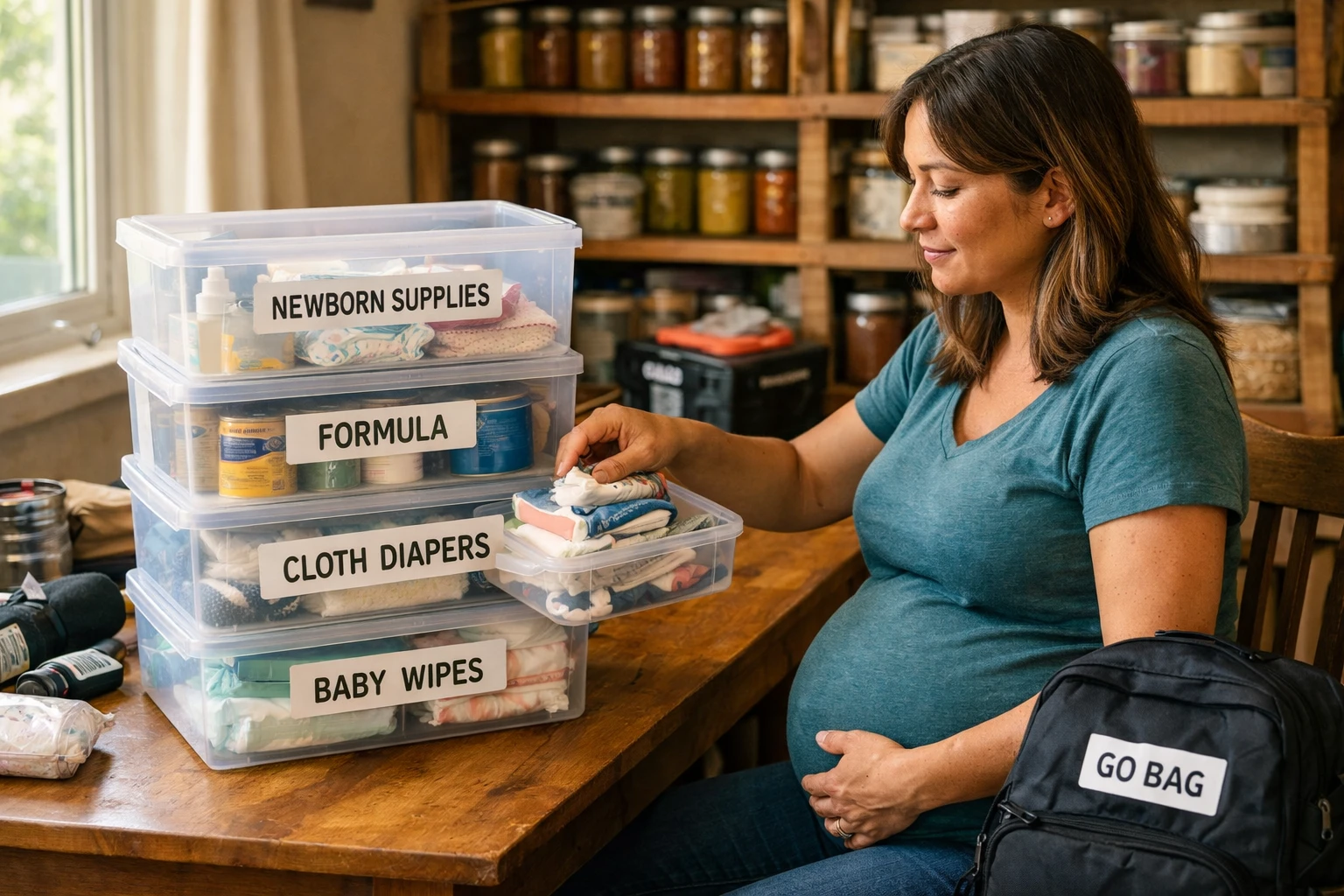
- 30-day formula supply (powdered and ready-to-feed)
- Manual breast pump and milk storage bags
- Newborn diapers (sizes N and 1)
- Unscented baby wipes
- Onesies and sleep sacks in newborn and 0-3 month sizes
- Baby thermometer
Documentation:
- Blood type card
- OB contact information and hospital address
- Birth plan copy
- Insurance cards and ID
- Emergency contact list (printed, waterproof pouch)
FAQ-Prepping While Pregnant
When should I start prepping during pregnancy? Start in the first trimester. Energy is higher, time is available, and building supplies gradually over 30 to 40 weeks is far less stressful than scrambling in the third trimester.
How long should my emergency food supply last? A minimum of 30 days is the standard recommendation. A 90-day supply is the target for serious preppers, especially those in areas prone to natural disasters or supply chain disruptions.
Is it safe to stockpile prenatal vitamins in bulk? Yes, as long as you check expiration dates and store them in a cool, dark, dry location. Most prenatal vitamins have a 2-year shelf life. Buy in 90-day increments and rotate.
What if I have gestational diabetes — how does that change my food stockpile? Significantly. Avoid high-glycemic staples like white rice, instant oatmeal, and sugary canned fruits. Focus on legumes, whole grains, canned vegetables, nuts, and protein. Also, stockpile your glucose monitoring supplies as a priority.
Can I include herbal remedies in my pregnancy emergency kit? Only with explicit OB approval. Many herbs marketed as safe or natural carry real risks during pregnancy. Ginger for nausea and chamomile tea in moderate amounts are generally considered low-risk, but confirm with your provider.
What’s the most important thing to have ready before my due date? A packed go-bag with your medical records, insurance cards, a change of clothes, comfort items, and newborn essentials — ready by week 36. Also, ensure your partner or support person knows the route to your hospital or birth center and has a backup route mapped.
Should I prep differently if I’m having twins or multiples? Yes. Multiple pregnancies are automatically considered higher risk. Double your newborn supply estimates, identify a hospital with NICU capability as your primary destination, and work with your OB to create a detailed emergency protocol.
What if I live in an apartment with limited storage space? Prioritize the highest-impact items first: prenatal vitamins, water, protein sources, and your medical kit. The guide to prepping in a small apartment offers practical space-saving strategies that work well for pregnancy prep.
How do I keep formula safe during a power outage? Ready-to-feed formula is your safest option during a power outage since it requires no water or warming. Powdered formula mixed with stored water is the next best option. Never use unpurified water to mix formula.
Do I need a separate go-bag for the baby? Yes. A baby-specific go-bag should include diapers, wipes, formula or feeding supplies, a change of clothes, a blanket, and a copy of any medical records if the baby has been born. Keep it packed and accessible from week 36 onward.
Conclusion
Prepping while pregnant is one of the most meaningful forms of preparedness a person can undertake. The stakes are uniquely high — two lives depend on the quality of the plan. The good news is that pregnancy preparedness doesn’t require a warehouse or a large budget. It requires a clear-eyed assessment of your specific needs, a phased approach to building supplies, and the discipline to start early.
Begin with water and prenatal vitamins. Build your food supply one shopping trip at a time. Assemble your medical kit with your OB’s guidance. Pack your go-bag by week 36. And document everything in a waterproof pouch that travels with you.
Confidence in a crisis doesn’t come from luck. It comes from preparation done before the emergency arrives.
Recommended next steps:
- Review the Ultimate Emergency Supplies List and cross-reference it against your pregnancy-specific needs.
- Build or update your family emergency plan to account for your pregnancy and anticipated newborn.
- Schedule a conversation with your OB specifically about emergency preparedness — ask about a 90-day medication supply and what warning signs require immediate evacuation.
Products and Tools Worth Having
For blood pressure monitoring, the Omron Platinum Upper Arm Monitor is widely used and clinically validated for home use. For water storage, BPA-free 5-gallon stackable containers from WaterBrick or Scepter are reliable and space-efficient. For formula, keep at least one case of ready-to-feed Similac or Enfamil in your kit alongside powdered options. For prenatal vitamins, look for methylfolate-based formulas from brands like Thorne, Garden of Life, or Nature Made — all available in 90-count bottles that rotate well. A manual breast pump from Haakaa or Medela is an inexpensive but critical backup for breastfeeding moms facing power disruptions.