
Hey there! Some links on this page may be affiliate links which means that, if you choose to make a purchase, I may earn a commission at no extra cost to you. I greatly appreciate your support. Read the full disclosure here.
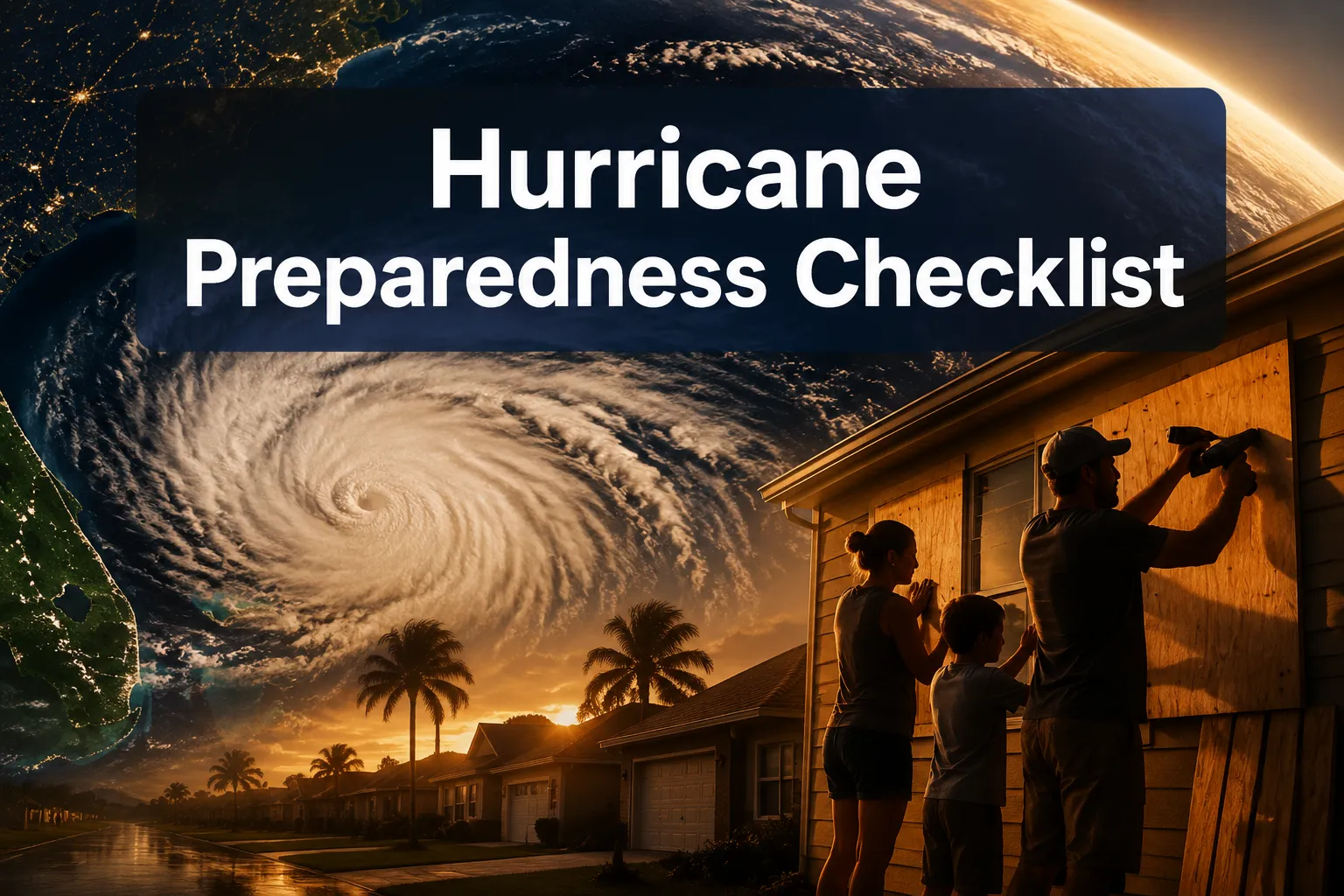
Roughly 40% of all U.S. natural disaster declarations involve hurricanes or tropical storms, yet FEMA consistently reports that most households have fewer than three days of emergency supplies on hand when a storm makes landfall. That gap between what families have and what they actually need is exactly what this Hurricane Preparedness Checklist: Complete Family Guide by Category is built to close.
This guide is organized by category so you can build your preparedness system in logical stages rather than scrambling to buy everything at once. Whether you’re a seasoned prepper reinforcing an existing setup or a coastal resident finally getting serious about storm season, every section below gives you a direct, actionable answer.
Key Takeaways
- Start preparing at least two to three months before hurricane season opens on June 1, not when a storm is already named.
- A hurricane watch means conditions are possible within 48 hours; a hurricane warning means they’re expected within 36 hours, the difference matters for your timeline.
- Your emergency kit should cover at minimum 72 hours, but experienced preppers stock for seven to fourteen days given the reality of slow disaster response.
- Evacuation is almost always the right call for mobile home residents and anyone in a flood zone, regardless of storm category.
- Pets, elderly family members, and people with medical needs require separate, specific sub-plans within your overall family strategy.
- Securing windows and doors before a storm is one of the highest-impact actions you can take to protect both lives and property.
- Printed copies of critical documents stored in a waterproof container can save weeks of bureaucratic headaches after a storm.
- A family communication plan, established and practiced before the season starts, dramatically improves outcomes when cell networks go down.
What Should You Include in a Hurricane Emergency Kit
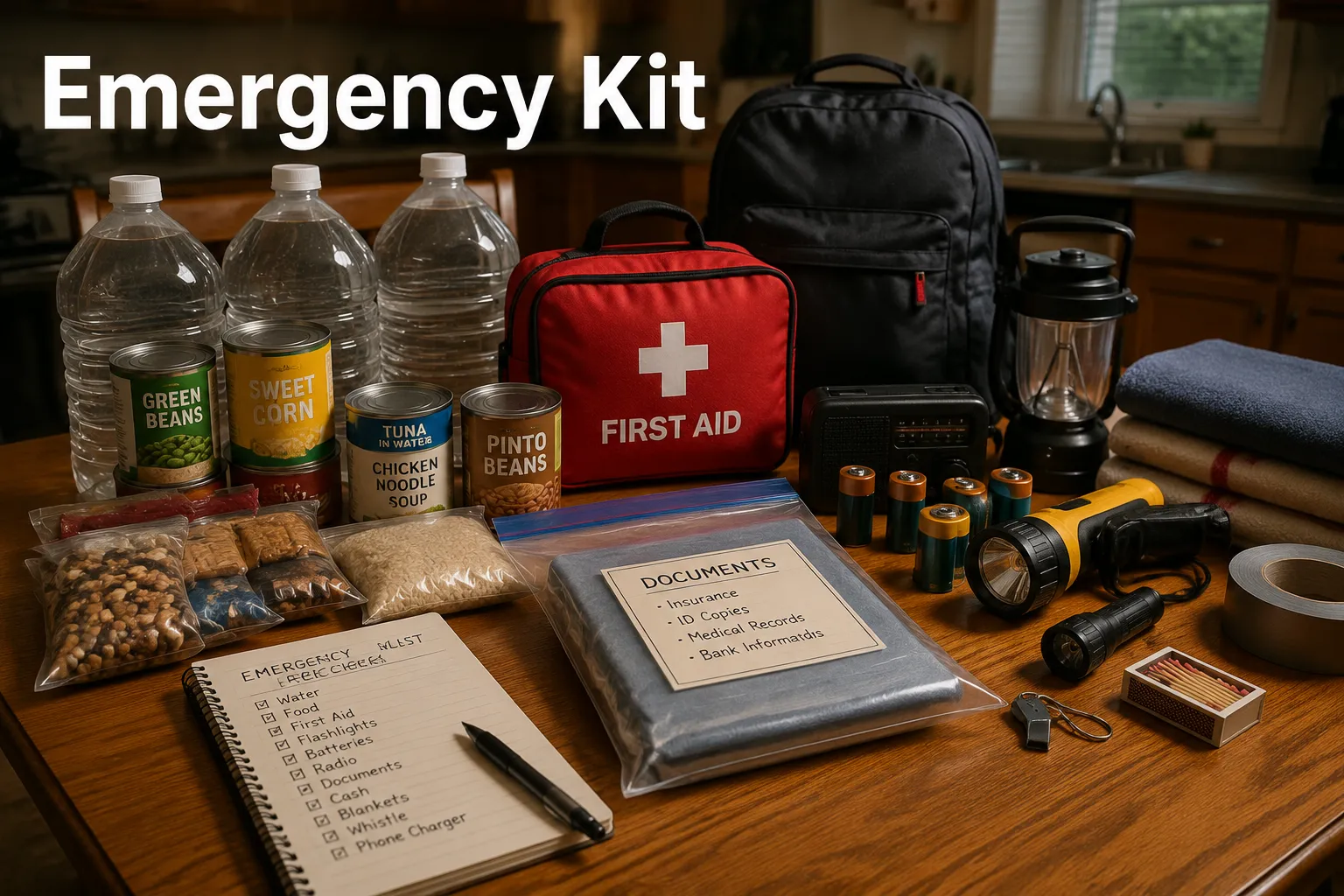
A well-stocked hurricane emergency kit covers water, food, medical supplies, tools, documents, and communication gear for at least 72 hours per person. For families with children, elderly members, or pets, extend that baseline to seven days.
Use this category-by-category breakdown:
Water
- One gallon per person per day (minimum); two gallons in hot, humid climates
- Store in food-grade containers; rotate every six months
- Include water purification tablets or a quality filter as backup
For a deeper look at storage methods and purification options, the Ultimate Emergency Water Storage and Purification Guide covers everything from WaterBOB bathtub bladders to gravity filters.
Food
- Non-perishable items: canned goods, freeze-dried meals, peanut butter, crackers, granola bars
- Manual can opener (this gets forgotten constantly)
- At least a 7-day supply per person; 14 days for serious preppers
- Account for dietary restrictions, infant formula, and comfort foods for children
Medical and First Aid
- Comprehensive first aid kit with trauma supplies
- 30-day supply of all prescription medications, plus copies of prescriptions
- Blood pressure cuff, glucose monitor if applicable
- N95 masks, nitrile gloves, antiseptic wipes
Tools and Safety
- Battery-powered or hand-crank NOAA weather radio
- Flashlights with extra batteries; headlamps are more practical
- Multi-tool or basic toolkit
- Whistle, dust masks, plastic sheeting, duct tape
- Backup power source for phones and medical devices
For a comprehensive gear list that translates directly to a hurricane go-bag, see the 72-Hour Bug Out Bag Checklist.
Sanitation
- Moist towelettes, garbage bags, hand sanitizer
- Portable toilet or waste disposal bags if sewage may be compromised
Cash and Financial Documents
- Small bills in a waterproof envelope; ATMs and card readers fail after storms
- Copies of insurance policies, IDs, bank account information
How Far in Advance Should You Prepare for Hurricane Season
Preparation should begin no later than March or April, giving you two to three months before the Atlantic hurricane season officially opens on June 1. Waiting until a named storm appears on the forecast cone means competing with thousands of other people for the same generators, plywood, and bottled water.
A practical preparation timeline:
- January through March: Audit last year’s supplies, replace expired food and medications, review your insurance coverage
- April through May: Restock consumables, test backup power equipment, review and update your family communication plan
- June 1 (season opens): All supplies should be in place; focus shifts to monitoring and readiness
- When a watch is issued: Execute pre-determined window and door security measures, confirm evacuation routes
- When a warning is issued: Final preparations, potential evacuation decision
Hurricane Watch vs. Hurricane Warning: What the Difference Means for Your Timeline
A hurricane watch means hurricane conditions (sustained winds of 74 mph or higher) are possible within 48 hours. A hurricane warning means those conditions are expected within 36 hours. The distinction is critical because it determines how much time you have to act.
- Watch issued: You have roughly 48 hours. Secure outdoor furniture, fill your vehicle with gas, withdraw cash, charge all devices, and confirm your evacuation plan.
- Warning issued: You have 36 hours or less. Complete all physical preparations immediately. If you’re in an evacuation zone, leave now, not after the storm intensifies.
Many families make the mistake of waiting for a warning before starting preparations. By then, roads are congested, stores are empty, and decision-making under stress is compromised.
How to Secure Windows and Doors Before a Hurricane
The most effective window protection is impact-resistant shutters or pre-cut plywood panels installed before a storm approaches. Properly installed 5/8-inch plywood can significantly reduce wind and debris damage, and it’s one of the most cost-effective protective measures available.
How to board up windows cheaply:
- Measure all windows and exterior doors in advance; cut plywood panels during the off-season when lumber is available and prices are normal
- Use 5/8-inch CDX plywood; thinner sheets flex and fail under sustained wind pressure
- Pre-drill holes and label each panel for the window it fits
- Anchor panels using 3-inch wood screws into the window frame or structural studs, not just the siding
- For doors, add a heavy-duty deadbolt and reinforce the door frame with a door barricade bar
Tape on windows is a persistent myth. It does not prevent breakage and creates a more dangerous shatter pattern. Skip it entirely.
For garage doors, install a bracing kit or replace with a hurricane-rated door, garage doors are one of the most common structural failure points in residential buildings during storms.
How to Create a Family Communication Plan During a Hurricane
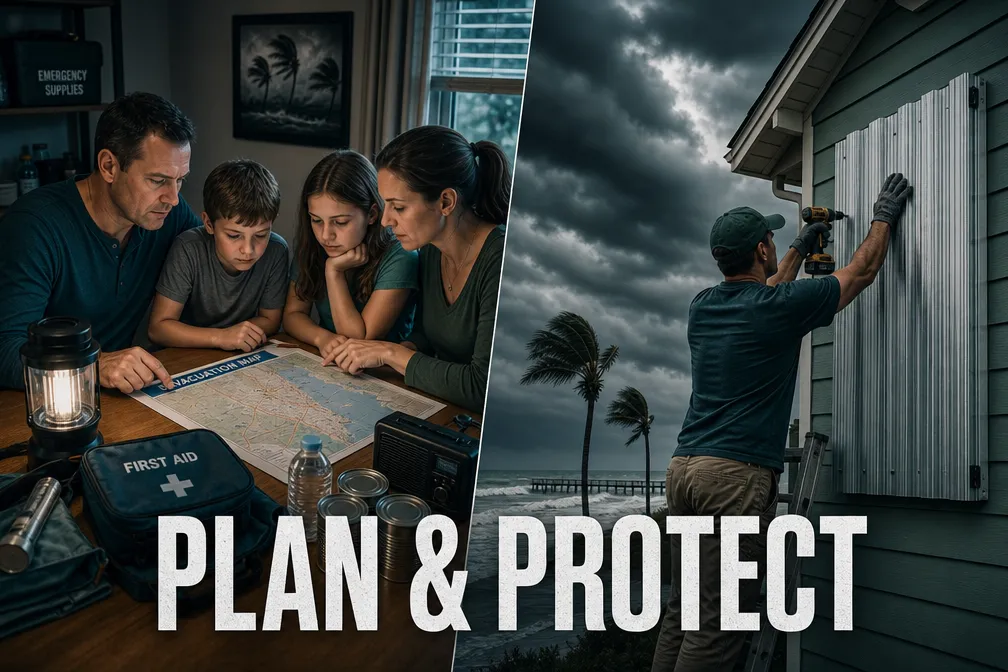
A family communication plan designates a meeting point, an out-of-area contact person, and a set of communication methods that work when local cell networks are overloaded or down. Create the plan before the season starts and practice it at least once.
Core elements of a hurricane communication plan:
- One out-of-state contact everyone can reach (local calls often fail when regional calls don’t)
- Two physical meeting locations: one near home, one outside the neighborhood if evacuation is needed
- Written copies of all contact numbers (phones die; memory fails under stress)
- Agreed-upon check-in schedule (e.g., every 6 hours after the storm passes)
- Text over calls when possible, texts route through congested networks more reliably than voice calls
The Emergency Communication Plan: The Complete Prepper’s Guide covers backup radio communication, mesh networks, and how to coordinate when all digital infrastructure fails.
What Documents Should You Gather for Hurricane Preparedness
Gather identification documents, financial records, insurance policies, and medical records. Store them in a waterproof, fireproof container or a sealed waterproof bag inside your go-bag.
Priority document checklist:
- Government-issued IDs and passports for every family member
- Birth certificates and Social Security cards
- Homeowner’s or renter’s insurance policy with your agent’s contact number
- Vehicle insurance and registration
- Medical records, vaccination history, and a list of current medications with dosages
- Mortgage or lease documents
- Bank account and investment account numbers (not full account details, just enough to re-establish access)
- Copies of prescriptions
- Recent utility bills (proof of address for FEMA applications)
Store digital backups in a secure cloud account you can access from any device. Physical and digital redundancy together is the standard that experienced preppers maintain.
When Should You Evacuate vs. Shelter in Place
Evacuate if you live in a designated flood zone, a mobile home, a low-lying coastal area, or if local authorities issue a mandatory evacuation order. Shelter in place is appropriate for well-constructed inland homes when the storm is Category 1 or 2 and no flooding risk exists at your location.
Evacuate if:
- You’re in Evacuation Zones A or B (highest risk)
- You live in a mobile home or manufactured housing
- Your home has a history of flooding
- A mandatory evacuation order covers your area
- A family member has medical needs that require power or professional care
Shelter in place if:
- You’re in a well-built inland structure
- No flood risk exists at your specific address
- The storm is forecast to be Category 1 or 2 with limited surge risk
- You have adequate supplies for the duration plus 72 hours post-storm
Never shelter in place based on stubbornness or inconvenience. Evacuation decisions should be based on your zone designation and the storm’s projected surge, not just wind speed.
Where Should Your Family Shelter During a Hurricane
The safest interior location in a well-built home is a small, windowless room on the lowest floor above potential flood level, a bathroom, closet, or hallway near the center of the structure. Avoid rooms with large windows, skylights, or exterior walls.
If you’re in a flood-prone area, move to the highest floor as water rises. Never shelter in a basement if flooding is possible.
For those sheltering in a community shelter, bring your own supplies because public shelters often have limited resources. Identify the nearest designated shelter in advance through your county emergency management website.
How to Prepare a Mobile Home for a Hurricane
Mobile homes should be evacuated for any hurricane, regardless of category. No amount of tie-downs or reinforcement makes a manufactured home safe in sustained hurricane-force winds or storm surge. This is not a gray area.
If you live in a mobile home:
- Know your local shelter locations before the season starts
- Have your go-bags packed and ready by June 1
- Establish a clear trigger: if a hurricane watch is issued for your county, you leave
- Arrange in advance where you’ll stay (family, friends, hotel, shelter)
The Family Bug Out Bag: The Complete Age-Specific Guide is particularly useful for mobile home residents who need a reliable, fast-deploy evacuation kit for every household member.
What Medications and Medical Supplies Do You Need for Hurricane Season
Every household member with a chronic condition needs a 30-day supply of their medications stored and rotated as part of the hurricane preparedness checklist. Work with your doctor or pharmacist before June 1 to obtain emergency supplies, because filling prescriptions after a storm is often impossible for days or weeks.
Medical supply checklist by category:
- Prescription medications: 30-day supply minimum, with copies of all prescriptions
- Over-the-counter essentials: pain relievers, antihistamines, antidiarrheal medication, antacids
- Wound care: sterile gauze, bandages, antiseptic, medical tape, butterfly closures
- Chronic condition equipment: extra insulin and syringes, blood pressure monitor, glucose meter with extra test strips, nebulizer with battery backup
- Hearing aids: extra batteries; waterproof storage case
- Eyeglasses: backup pair plus a copy of your prescription
For families with complex medical needs, the Emergency Preparedness for Disabled Individuals guide provides a detailed framework for managing power-dependent equipment and specialized care during extended outages.
How to Prepare Pets for a Hurricane
Prepare a dedicated pet emergency kit and identify pet-friendly shelters or hotels along your evacuation route before hurricane season begins. Most public emergency shelters do not accept pets, so planning ahead is non-negotiable.
Pet hurricane preparedness checklist:
- 7-day supply of food and water per pet
- Medications and veterinary records, including proof of vaccinations
- Collar with ID tags and a microchip (update contact information annually)
- Sturdy, labeled carrier or crate
- Leash, harness, and waste bags
- Comfort items to reduce stress
The Ultimate Pet’s Emergency Preparedness Checklist covers 45 items specifically for pet owners and includes guidance on livestock and exotic animals.
How to Prepare Elderly Parents for a Hurricane
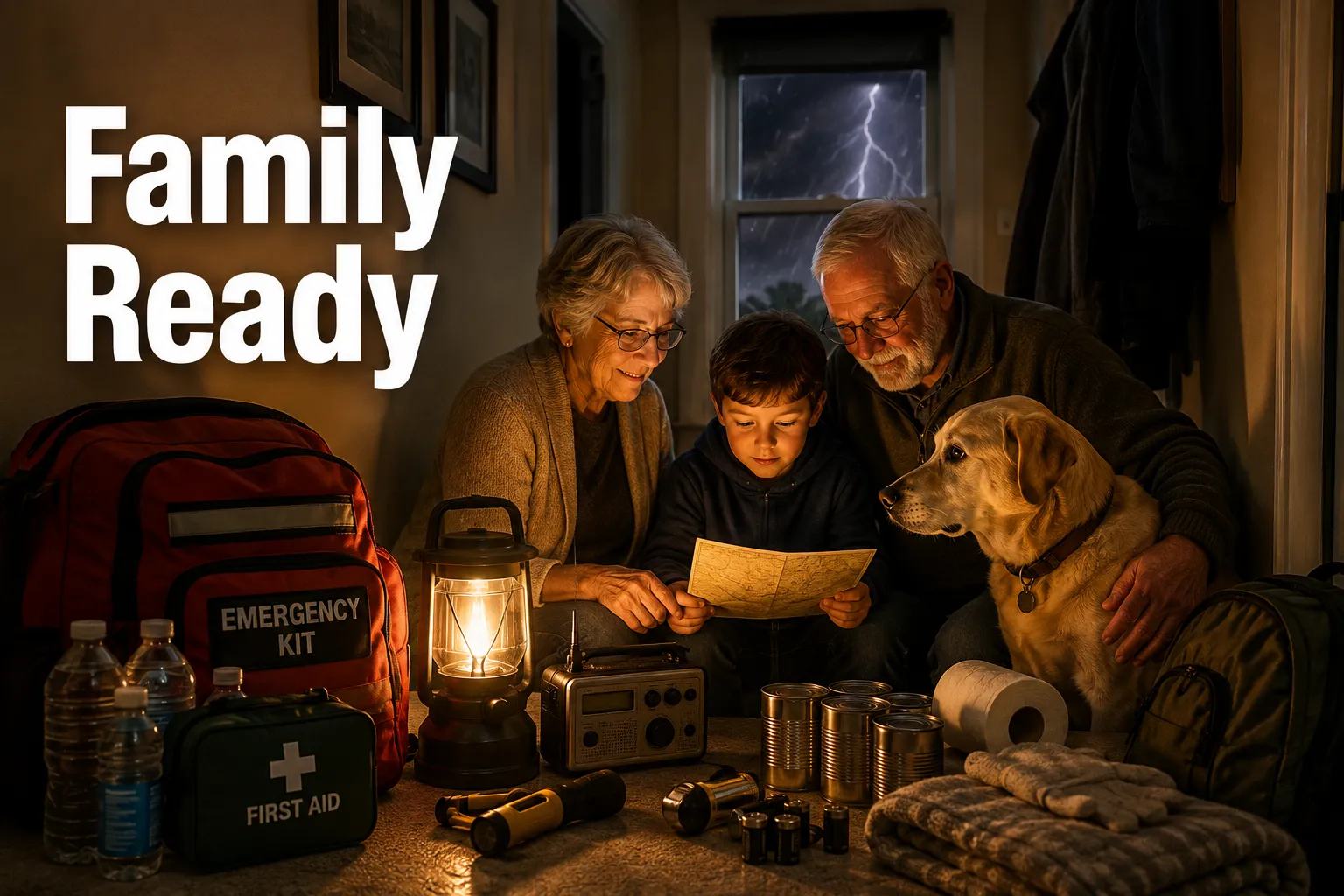
Preparing elderly family members requires addressing mobility limitations, medication management, power-dependent medical equipment, and the psychological stress of displacement. Start these conversations and preparations well before the season, not when a storm is approaching.
Action steps for elderly hurricane preparedness:
- Register with your county’s special needs shelter registry if they use power-dependent equipment
- Ensure they have a 30-day medication supply and a written medication list
- Identify and pre-arrange transportation if they cannot drive
- Establish a clear communication check-in protocol
- Pack a go-bag that accounts for mobility aids, hearing aids, and incontinence supplies
- Have a designated family member or neighbor assigned as their primary contact
For a broader framework on this topic, the 9 Essential Disaster Prep Strategies for Seniors addresses the specific vulnerabilities that make older adults disproportionately affected by hurricane disasters.
Common Mistakes People Make When Preparing for Hurricanes
The most common hurricane preparedness mistakes are waiting too long to start, underestimating water needs, and having no practiced evacuation plan. Each of these is preventable with a modest investment of time before the season begins.
Mistakes to avoid:
- Waiting for a named storm: Stores run out of supplies within hours of a forecast. Prepare in the off-season.
- Relying solely on tap water: Municipal water systems often fail or become contaminated after a storm. Store your own.
- No cash on hand: Card readers and ATMs fail. Keep small bills available.
- Assuming cell service will work: Have a battery-powered NOAA radio and a pre-established communication plan that doesn’t depend on smartphones.
- Forgetting the car: Keep your gas tank above half during hurricane season. Gas stations run out quickly and may lose power.
- No generator plan: If you use a generator, know how to operate it safely outdoors only, away from windows and doors. Carbon monoxide poisoning kills more people after hurricanes than the storms themselves in some years.
- Neglecting the go-bag: Having supplies in your home is not enough if you need to evacuate in 20 minutes. Your evacuation go-bag should be packed, accessible, and reviewed annually.
Hurricane Preparedness Checklist: Complete Family Guide by Category, Printable Summary
The table below consolidates the core items from this Hurricane Preparedness Checklist: Complete Family Guide by Category into a single reference organized by preparation phase.
.hpc-wrap{font-family:system-ui,sans-serif;max-width:640px;margin:2em auto;background:#1a2636;border-radius:10px;padding:20px;color:#e8edf2} .hpc-wrap h3{margin:0 0 14px;font-size:1.1rem;color:#f0c040;letter-spacing:.03em} .hpc-category{margin-bottom:14px;background:#243447;border-radius:7px;padding:12px 14px} .hpc-category h4{margin:0 0 8px;font-size:.95rem;color:#7ec8e3;text-transform:uppercase;letter-spacing:.05em} .hpc-items{list-style:none;margin:0;padding:0} .hpc-items li{display:flex;align-items:center;gap:10px;padding:4px 0;font-size:.88rem;border-bottom:1px solid #2e4057;cursor:pointer} .hpc-items li:last-child{border-bottom:none} .hpc-cb{width:16px;height:16px;border:2px solid #7ec8e3;border-radius:3px;flex-shrink:0;background:#1a2636;transition:background .2s} .hpc-items li.checked .hpc-cb{background:#f0c040;border-color:#f0c040} .hpc-items li.checked span{text-decoration:line-through;opacity:.55} .hpc-progress{margin-top:14px;background:#2e4057;border-radius:20px;height:10px;overflow:hidden} .hpc-bar{height:10px;background:linear-gradient(90deg,#f0c040,#e07b00);border-radius:20px;width:0;transition:width .3s} .hpc-count{margin-top:8px;font-size:.82rem;color:#aab8c8;text-align:right}
Hurricane Prep Checklist, Interactive
Water & Food
- 1 gal/person/day stored (7-day min)
- 7-day non-perishable food supply
- Manual can opener
Safety & Tools
- NOAA weather radio (battery/crank)
- Flashlights & extra batteries
- Windows & doors secured
Documents & Finance
- IDs & insurance in waterproof bag
- Cash (small bills) on hand
- Medication list & 30-day supply
Family Plan
- Communication plan established
- Evacuation route confirmed
- Go-bags packed & accessible
var total=0,checked=0; document.querySelectorAll(‘.hpc-items li’).forEach(function(li){ total++; li.addEventListener(‘click’,function(){ this.classList.toggle(‘checked’); checked=document.querySelectorAll(‘.hpc-items li.checked’).length; document.getElementById(‘hpcBar’).style.width=(checked/total*100)+’%’; document.getElementById(‘hpcCount’).textContent=checked+’ of ‘+total+’ items checked’; }); });
Frequently Asked Questions
How much water do I actually need for a hurricane? Store one gallon per person per day as the minimum. In hot, humid conditions or for households with active adults, bump that to two gallons. For a family of four over seven days, that’s 28 to 56 gallons. Store in food-grade containers and rotate every six months.
Can I use a regular first aid kit for hurricane preparedness? A standard first aid kit is a starting point, not a complete solution. Hurricane preparedness requires trauma supplies, a 30-day medication supply, and condition-specific equipment. Build on the basics rather than relying on a pre-packaged kit alone.
What’s the difference between a Category 1 and Category 5 hurricane? The Saffir-Simpson scale rates hurricanes by sustained wind speed. Category 1 means winds of 74 to 95 mph with minimal structural damage; Category 5 means winds above 157 mph with catastrophic destruction. Storm surge, not wind, is the leading cause of hurricane fatalities, and surge can be severe even in lower-category storms.
Should I fill my bathtub with water before a hurricane? Yes, filling bathtubs provides a backup source for flushing toilets and basic hygiene. A WaterBOB or similar bathtub bladder is more sanitary and can hold up to 100 gallons of drinkable water. This is a low-cost, high-value addition to any hurricane kit.
How do I know if I’m in a hurricane evacuation zone? Check your county or parish emergency management website. Most coastal counties use lettered zones (A through D or F), with Zone A representing the highest risk. Search “[your county name] hurricane evacuation zone map” to find your specific designation.
What if I can’t afford a generator? Focus on battery banks, solar chargers, and a quality hand-crank NOAA radio instead. A large battery bank (40,000+ mAh) can keep phones and small devices running for days. For backup power options across a range of budgets, the Backup Power for Emergencies guide covers everything from portable power stations to whole-home systems.
How do I prepare for a hurricane if I rent my home? Focus on what you can control: your emergency kit, go-bags, documents, and evacuation plan. Discuss window and door reinforcement options with your landlord before the season. You cannot install permanent shutters without permission, but you can pre-cut plywood panels and store them until needed.
Is hurricane insurance the same as homeowner’s insurance? No. Standard homeowner’s insurance typically covers wind damage but excludes flood damage. Flood insurance is a separate policy through the National Flood Insurance Program (NFIP) or private insurers. Review your coverage before June 1 every year.
What should kids know about hurricane preparedness? Children should know the family meeting location, the out-of-state contact number, how to text for help, and what to do if they’re separated from parents. Practice these steps, don’t just explain them. The Kids Emergency Preparedness guide offers age-specific approaches that build confidence rather than fear.
How long does it take to prepare a complete hurricane kit from scratch? Building a complete kit over four to six weeks is realistic and less financially stressful than buying everything at once. Start with water and food, then add medical supplies, then tools and documents. The Prepper Checklist for Beginners 30-Day System provides a structured timeline that works well for hurricane preparation.
Conclusion
A hurricane doesn’t give you time to figure things out. The families who come through storms with the least damage and the fastest recovery are the ones who made their decisions in advance, before the watch was issued, before the shelves were empty, before the stress made clear thinking difficult.
This Hurricane Preparedness Checklist: Complete Family Guide by Category is built to make those advance decisions straightforward. Work through each category systematically, starting with water and food, then medical supplies, then documents, then your communication and evacuation plan. Revisit the checklist every spring before June 1 and after any storm that required you to activate any part of your plan.
Preparedness isn’t about predicting exactly what will happen. It’s about building enough margin that when something does happen, your family has options. That’s the difference between reacting in fear and responding with confidence.
Products, Tools, and Resources Worth Having
- WaterBOB Bathtub Emergency Water Storage, A 100-gallon food-grade bladder that fits any standard bathtub. One of the highest-value additions to a hurricane kit for the cost.
- Midland ER310 Emergency Crank Weather Radio, NOAA-certified, solar and hand-crank powered, with a USB phone charging port. Reliable when everything else fails.
- 5/8-inch CDX Plywood (pre-cut, pre-labeled panels), Cut and store in the off-season. Costs a fraction of what you’ll pay at a lumber yard two days before a storm.
- LifeStraw or Sawyer Squeeze Water Filter, Compact backup filtration for post-storm water sources when stored supply runs low.
- Waterproof Document Bag or Pelican Case, Protects IDs, insurance policies, and medical records through flooding and rain.
- Jackery Explorer 500 Power Station, Charges phones, runs CPAP machines, and powers LED lighting for days on a single charge.
- Augason Farms 72-Hour Emergency Food Supply, A solid baseline food kit that stores for 25 years and requires minimal preparation.
For a broader look at building your complete emergency foundation, the Ultimate Disaster Preparedness Checklist covers 50 essential items that apply across all major disaster scenarios, not just hurricanes.