
Hey there! Some links on this page may be affiliate links which means that, if you choose to make a purchase, I may earn a commission at no extra cost to you. I greatly appreciate your support. Read the full disclosure here.
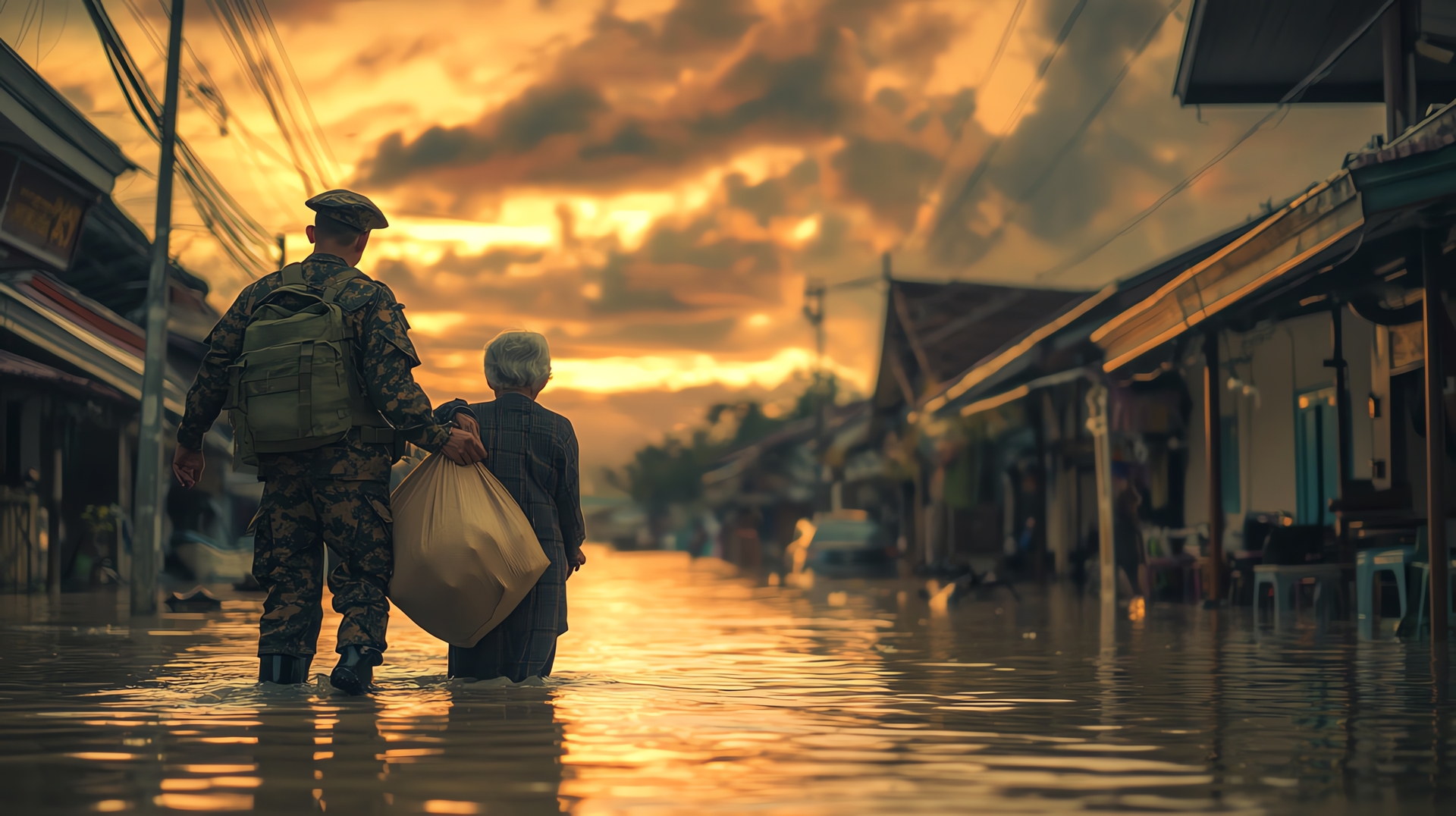
In the face of unexpected storms, earthquakes, and other emergencies, preparedness becomes a powerful tool—especially for seniors, who may face unique challenges during a disaster. “9 Essential Disaster Prep Strategies for Seniors” explores practical strategies designed to empower older adults, helping them build confidence, stay safe, and maintain independence when it matters most. From creating tailored emergency kits to devising clear interaction plans, this guide offers thoughtful insights to ensure that seniors are not just surviving but thriving in the face of adversity.
Understanding the Importance of Disaster Prep for Seniors
The incessant ticking of the clock is a stark reminder of the unavoidable fact that we are all aging. Seniors, due to their unique health conditions and increased fragility, often face an elevated risk of injury and complications caused by emergencies. Thus, the concept of “Disaster prep for seniors” becomes all the more relevant and crucial. Unfortunately, many fail to grasp the gravity of the situation due to a lack of awareness or understanding of the dire circumstances that can unfold. Hence, this underpins the urgent need for focused efforts on elucidating the importance of emergency readiness for the elderly.
Emergency readiness isn’t always about safeguarding oneself from a hurricane, flood, or tornado. Instead, it encapsulates a broad spectrum of scenarios ranging from sudden health crises to blackouts or gas leaks that can be life-threatening, particularly for seniors. Optimizing “Disaster prep for seniors” would allow for swift and effective responses during such crises, reducing potential harm significantly. Emergency preparedness ensures safety, preserves dignity, and fosters a much-needed sense of control amidst the chaos, which is a tremendous physiological and psychological boon for seniors who otherwise might feel helpless during emergencies. Adoption of a comprehensive emergency plan is hence, not just beneficial, but rather a survival necessity for seniors.
Key Takeaways:
– Seniors face unique risks during disasters, including mobility, health, sensory, and isolation challenges that require tailored preparedness strategies.
– A comprehensive emergency plan for seniors should address individual health needs, medication management, mobility aids, communication contacts, and safe home locations.
– Customized emergency kits must include extra prescription medications, medical devices, personal care items, and comfort supplies to meet seniors’ daily needs and ease stress.
– Leveraging simple technology and clear communication plans enhances seniors’ ability to receive alerts, stay connected, and access help quickly during emergencies.
– Regular review and update of emergency plans and kits ensure ongoing relevance to changing health conditions, living situations, and caregiver support availability.
Understanding Unique Risks Seniors Face in Disasters
- Medication management: Keeping an emergency supply and a clear list of prescriptions.
- mobility aids: Ensuring wheelchairs, walkers, and canes are in good condition and accessible.
- Communication plans: Designating trusted contacts and using alert systems suited to sensory needs.
- Emergency kits: Customized to include items like extra hearing aid batteries or visual aids.
| Common Risk | Mitigation Tip |
|---|---|
| Medication Disruption | Keep a 7-day backup supply in a waterproof container |
| Mobility Challenges | Include mobility aids in your grab-and-go bag |
| Communication Barriers | Use visual signals or vibrational alerts for warnings |
| Social Isolation | Establish a buddy system with neighbors or family |
Building a Comprehensive Emergency Plan for Seniors
An effective emergency plan isn’t a one-size-fits-all. Every individual has unique needs, especially our seniors. For older adults, the blueprint must take into account their specific health conditions, physical abilities, and support networks. It must be comprehensive, covering all aspects of their daily routine yet flexible enough to adapt to unexpected situations. Several factors need particular attention when crafting these strategies: medication plans, dietary needs, mobility concerns, and communication with designated contacts.
The emergency plan should also clearly indicate the safest areas within the home in case of disasters such as fires, tornadoes, or earthquakes. This includes designating a specific spot for easy-to-reach emergency supplies. Regular drills help make the plan instinctive during crisis scenarios, reducing panic and confusion. Prearranged backup care arrangements, if they receive professional assistance, should be factored in as well. It is crucial to remember that disaster prep for seniors requires specific considerations. Regular evaluation of the plan ensures it remains relevant to the changing health and living circumstances of an elderly person. Each element of the strategy must be communicated clearly and understood fully by everyone involved, including caregivers and loved ones.
Essential Emergency Supplies Tailored for Senior Needs
 When preparing emergency supplies, it’s crucial to recognize that seniors might have specific health and mobility considerations. Alongside the standard essentials like water, non-perishable food, and flashlights, seniors benefit from tailored items that address their unique daily needs. For instance, ensure extra doses of prescription medications are included, as well as any medical devices such as hearing aids with extra batteries or mobility aids that might be required during an evacuation. Comfort items like warm blankets, eye masks, and even familiar personal care products can ease anxiety and contribute to emotional well-being during stressful situations.To help organize these critical supplies, consider assembling a kit that highlights not just the basics but also essential health-related items. Below is a concise checklist designed specifically to keep seniors prepared and comfortable:
- Medications: 7+ day supply, copies of prescriptions
- Medical Devices: Hearing aids, walkers, oxygen equipment
- Crucial Documents: IDs, medical records, emergency contacts
- Personal Care: Incontinence products, moisturizer, lip balm
- Nutrition: Easy-to-digest snacks, supplements
| item | purpose | Recommended Quantity |
|---|---|---|
| Extra Glasses | Maintain eyesight during loss or damage | One pair |
| Water Bottles | Hydration | 4 liters per person per day |
| Mobility Aid charger | Keep powered devices operational | One charger |
| Comfort Items | Easing stress and providing reassurance | Varies |
Tailoring Emergency Plans to Unique Health Needs of Seniors
 When it comes to disaster prep for seniors, a one-size-fits-all approach is far from ideal. Seniors, bear in mind, often experience a range of health conditions that can greatly affect their ability to respond during emergencies. With this in consideration, it becomes crucial to individualize emergency plans according to the unique health needs of the elderly.
Chronic ailments like heart disease, diabetes, or cognitive impairments like dementia, for instance, call for specific measures in a disaster readiness plan. These health-specific nuances necessitate comprehensive emergency protocols that respect and accommodate the distinct health profiles of this demographic.
Working closely with health professionals’ aids in crafting effective disaster-response strategies for seniors with specific health needs. For an elderly person diagnosed with diabetes, a well-stocked supply of insulin and other necessary medications forms an essential part of their emergency kit. For seniors with mobility challenges, planning must account for the accessibility of evacuation routes and transportation services.
Furthermore, elderly individuals with cognitive impairments may require an appointed caregiver to aid them in navigating emergencies, further emphasizing the need to personalize their emergency plans.
Acute understanding of these factors can ensure that the emergency plan is not merely a general checklist but a carefully considered strategy, adapted to the senior’s health condition. It’s not just about preparing for the worst but preparing smartly with health considerations at the forefront.
Creating a Personalized Communication Plan for Peace of Mind
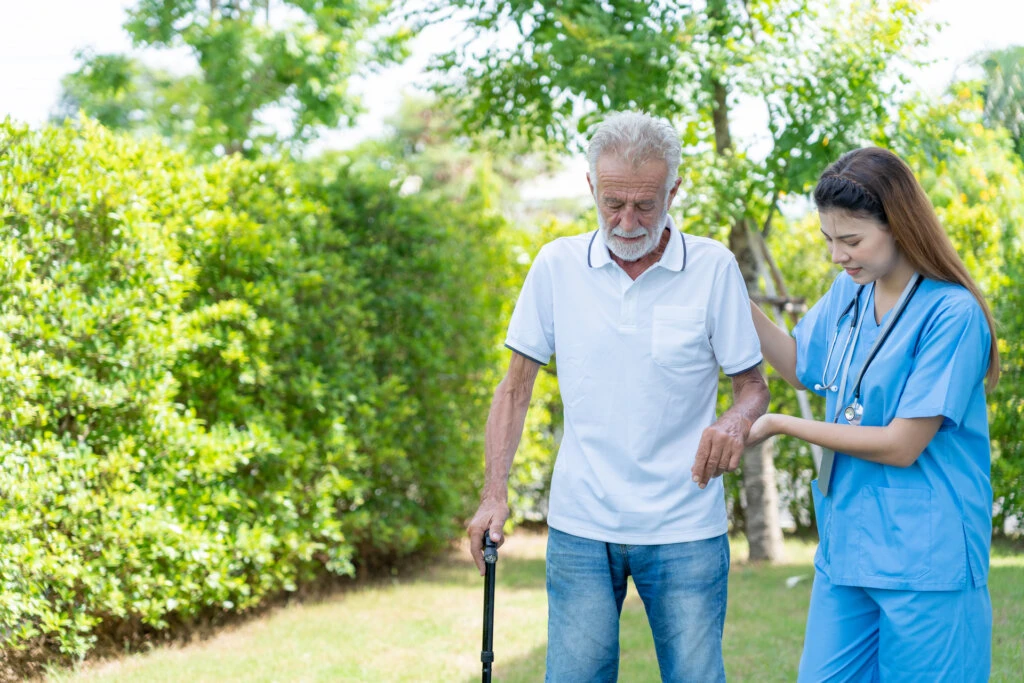 Establishing a clear and personalized communication plan can bring significant comfort during emergencies. Start by identifying a reliable point of contact—someone family, friends, or neighbors can reach out to if you become unreachable. This key person should have an updated list of emergency contacts, medical facts, and your basic daily schedule to ensure they can act quickly if needed. Consider incorporating different modes of communication such as phone calls, text messages, or even written notes, depending on what feels most accessible and familiar to you. Remember these essentials when crafting your plan:
- Choose at least two trusted contacts to avoid single points of failure
- Keep a small notebook or digital document with emergency information handy
- Schedule regular check-ins during disaster alerts to confirm each other’s safety
- Use simple codes or phrases to communicate urgent needs without causing alarm
| Contact Type | Purpose | Best Method |
|---|---|---|
| Primary Emergency Contact | Immediate support and decision making | Phone call |
| neighbour | Nearby assistance or check-in | In-person or text |
| Doctor or Caregiver | Medical updates and guidance | Phone call or messaging app |
Leveraging Technology for Enhanced Emergency Preparedness
 In an increasingly digital world, technology has begun to play an integral role in disaster preparedness, particularly for older adults. Specialized apps, wearable devices, and communication platforms designed for the elderly offer vital resources that can streamline emergency responses. These tools can provide real-time updates about impending disasters, easy access to emergency contacts, health tracking, and even remote communication with healthcare professionals.
Digital tools should be intuitive and straightforward in their function. For instance, wearable tech with built-in fall detection may automatically alert emergency services and send notifications to predefined emergency contacts if an unusual activity is detected.
Additionally, cloud-based document storage platforms can safeguard crucial documents like medical records, insurance policies, etc. Similarly, apps can be used to program automated alerts for medication reminders or check-ins. It is essential to make technology a central part of disaster prep for seniors while ensuring that it complements their abilities and comfort level with gadgets.
Educating Seniors on Responding to Different Types of Emergencies
Every senior must understand how to respond to a vast array of emergencies in order to ensure their safety and well-being. This is supremely significant as it equips them with the knowledge and skills to respond promptly and effectively.
It’s not just about natural disasters such as hurricanes, fires or floods, but also man-made emergencies like gas leaks, power outages, or health emergencies. Empowering seniors with this knowledge forms part of the crucial disaster prep for seniors, it ensures they are not left helpless and confused during such critical situations.
In the process of disaster prep for seniors, one must employ simple and clear language to impart thorough instructions for diverse emergencies. These can include brief lessons on how to exit safely during a fire, how to detect and respond to a gas leak, and the actions to take during a medical emergency. Medical emergencies include heart attacks, falls, and strokes- all of which occur more frequently in older adults.
Additionally, they should also receive training on using basic technology that can aid in times of crises. For example, how to use their phones to reach emergency services, or using the internet to stay updated on the latest emergency news. These skills can be life-saving and so, worth the time invested into the learning process.
Periodic Review and Update of Emergency Plans for Seniors
Emergency preparedness for seniors is not a one-time event but a continual process. With the potential changes in health conditions, living circumstances, and advancements in safety technologies, it is necessary to periodically review and update plans to ensure they still provide the best possible protection.
Annual or bi-annual reviews, or after any significant change in the senior’s health or living conditions, are ideal times for updates. Plans should be fine-tuned to stay current with the various environmental or health risk factors that could trigger an emergency situation for them.
A significant part of this review should also be focused on the changed circumstances and needs of caregivers, who play a crucial role in disaster prep for seniors. Their availability, resilience to stress, and physical strength can drastically impact the implementation of emergency plans.
Overlooking this aspect could lead to gaps in the plan, leading to ineffective responses during crises. Hence, alongside health records and emergency contacts, regularly updating the condition and availability of caregivers enhances the reliability of seniors’ emergency preparedness. The usefulness of emergency kits should also be evaluated over time, discarding expired items and replenishing with up-to-date and useful ones.
In Conclusion
As we’ve explored, preparedness isn’t just about stockpiling supplies or mapping escape routes—it’s about empowering seniors to face the unexpected with confidence and calm. Being ready and resilient transforms uncertainty into strength, turning potential crisis into manageable challenge. by taking these thoughtful steps today, seniors not only safeguard their own well-being but also inspire those around them to embrace preparedness as a lifelong habit. As resilience isn’t just a response—it’s a way of living.
FAQ
Why is emergency readiness important for the elderly?
Emergency readiness is crucial for the elderly because they often have unique health needs and vulnerabilities that can put them at greater risk during emergencies. Preparedness ensures they can respond effectively and get the help they need in a timely manner.
What are some key vulnerabilities of seniors during emergencies?
Seniors can face a range of vulnerabilities during emergencies. These can include physical limitations, chronic health conditions, sensory impairments, cognitive issues, and isolation, among others. These vulnerabilities can make it more difficult for them to respond to emergencies and access necessary help.
How can an emergency plan for older adults be built?
A comprehensive emergency plan for older adults should consider their specific needs and vulnerabilities. It should include key contact information, locations of emergency supplies, evacuation routes, and details of any healthcare needs. Regular drills and reviews can ensure the plan remains effective and up-to-date.
What items should be included in an elderly emergency kit?
An elderly emergency kit should include items like medications, medical supplies, food, water, clothing, a flashlight, a radio, extra batteries, personal documents, and contacts of family members and healthcare providers.
How can emergency plans be tailored to unique health needs of seniors?
Emergency plans can be tailored to the unique health needs of seniors by incorporating specific instructions related to their health conditions. For example, if a senior has a heart condition, the plan might include details on managing stress and exertion during an emergency.
What is the role of caregivers in the emergency planning process?
Caregivers play an essential role in the emergency planning process. They can help understand the unique needs and vulnerabilities of the senior, assist in creating and reviewing the plan, and provide critical support in carrying out the plan during an emergency.
How can technology enhance emergency preparedness for seniors?
Technology can provide tools like emergency alert systems, medical alert devices, and apps that can provide real-time updates and instructions during emergencies. It can also facilitate communication with emergency services and loved ones.
What types of emergencies should seniors be educated to respond to?
Seniors should be educated to respond to a variety of emergencies, including natural disasters like hurricanes and floods, health emergencies like falls or sudden illness, and man-made crises like fires or power outages.
How often should the emergency plans for seniors be reviewed and updated?
The emergency plans for seniors should be reviewed and updated periodically, at least once a year, or whenever there are significant changes in the senior’s health status, living situation, or support network. This ensures the plan remains current and effective.