

Hey there! Some links on this page may be affiliate links which means that, if you choose to make a purchase, I may earn a commission at no extra cost to you. I greatly appreciate your support. Read the full disclosure here.
Understanding the Importance of a Bug Out Plan
In an unpredictable world, having an emergency plan in place is not just practical but indispensable for survival. This where a Bug Out Plan comes into the picture. This is a pre-set plan designed to assist you in safely migrating from one place to another during times of crisis. It can range from natural disasters like hurricanes, floods, earthquakes to man-made disasters such as civil unrest, war, or pandemics.
The significance of a Bug Out Plan is hard to overestimate. It maps out the critical steps one needs to take to ensure survival in high-risk situations. Knowing where to go, what to carry, how to reach the destination, and adapting to the situation – all these elements form the core of a Bug Out Plan. Therefore, it’s integral to understand and create a detailed, organized, and well-thought-out Bug Out Plan to ensure your and your family’s safety during catastrophic events.
Defining a Bug Out Plan
A Bug Out Plan, often referred to as a contingency plan, is a strategy designed to support individuals when a swift evacuation becomes necessary due to unforeseen emergencies or disasters. It’s a pre-planned survival strategy that lays the groundwork for an exit strategy during serious events like hurricanes, wildfires, terrorist threats, or any situation that could pose a threat to one’s safety.
This plan encapsulates elements ranging from identifying a safe location to retreat to, choosing the quickest and safest route to get there, to preparing an adequately equipped Bug Out Bag essential for survival. In essence, a Bug Out Plan is a survival blueprint, designed to ensure quick, efficient, and safe evacuation during the direst situations.
Key Takeaways:
– A well-crafted Bug Out Plan ensures swift, safe evacuation during emergencies by defining locations, routes, supplies, and communication methods.
– Disaster preparedness combines mindset, practical planning, essential survival gear, and relevant skills like first aid, navigation, and self-defense.
– Selecting the right bug out location and bag, including food, water, medical supplies, and documents, is critical for sustained survival.
– Regular practice drills, plan updates, and flexibility with multiple evacuation routes improve response time and adaptability in crises.
– Avoid common pitfalls like overpacking, neglecting training, and failing to maintain the plan to maximize your survival chances.
Significance of Disaster Preparedness
Disaster preparedness is not just about having certain equipment and supplies at hand; it is a mindset, a way of perceiving and interacting with the world. When disasters strike, being unprepared can lead to unnecessary stress, material loss, and even loss of life. Preparedness often divides those that can effectively respond and bounce back from those that can’t. In these moments, knowledge, preparation, and a clear mind can spell the difference between survival and tragedy.
A significant factor in disaster preparedness involves the creation and implementation of plans known as Bug Out Plans. Recognizing the potential scenarios, understanding how to respond, and what resources will be necessary are all critical components of this plan. When it comes to potentially life-altering events such as natural disasters, terrorist attacks, or even large-scale power outages, having a well-thought-out Bug Out Plan can significantly increase one’s chances of survival. Always keep the saying in mind, “By failing to prepare, you are preparing to fail.”
Determining Your Bug Out Location
Choosing a strategic location is a critical aspect of creating an effective bug out plan. You need to select a place that is safe, accessible, and offers a natural source of food and water. Consider the terrain, proximity to bodies of water, possibilities for shelter construction, agricultural potential, and remoteness from densely populated areas. The location should also be within a reasonable distance to travel, especially under strenuous conditions when time is of the essence.
Mapping potential bug out locations involves rigorous research online and offline. Studying topographic maps, satellite images, and even doing some field reconnaissance can help you get a feel of the terrain and understand its challenges and opportunities. Additionally, it’s important to have alternative locations earmarked. In a disaster situation, flexibility can mean the difference between survival and catastrophe. Therefore, having several potential locations can give you options and increase your chances of survival.
Choosing the Right Bug Out Bag
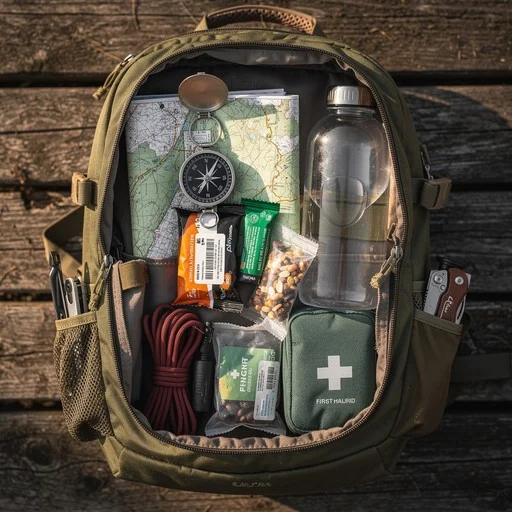
When it comes to disaster preparedness, your choice of bug out bag can make a significant difference. This crucial tool is designed to carry all your essentials needed to survive during an emergency situation. When selecting the perfect bag, it is important not to overlook certain factors such as durability, size, comfort, and design. Your bag should be robust enough to withstand harsh conditions, yet comfortable enough for long-haul mobility.
The size of your bag directly impacts the volume of supplies you can carry. A too-small bag might make you leave out important items, while an overly large one can become a burden. The design should facilitate easy access to equipment during high-stress situations. Remember, the right bug out bag acts as your lifeline in survival scenarios; hence, careful selection is paramount.
Essential Items to Include in Your Bug Out Bag
Creating a proper bug out bag requires careful consideration and planning. It is not just a simple matter of stuffing a backpack full of tools and supplies; rather, it is a calculated process of including items which are deemed essential for survival in most scenarios. The items that you choose to pack must be those which are durable, compact, versatile, and functional.
The most basic components of a bug out bag should include water and food, at a minimum of 72 hours’ worth. The aim is to pack highly nutritious, lightweight, and long-lasting food, like protein bars, dehydrated meals, or MREs. Also important are first aid supplies, a multi-tool, a reliable knife, a fire starter, and a water filter or purification tablets. These items can help you secure shelter and warmth, procure more food and water, attend to physical injuries, signal for help, or even, as a last resort, provide means of protection.
Bug-Out Bag for Beginners: Complete 2026 Guide
Food and Water Supply for Bug Out Plan
 The practice of disaster preparedness puts a paramount importance on the careful planning of food and water supply. Packing the right nutrients and adequate hydration resources can spell the difference between a well-orchestrated survival and a crisis within a crisis. In terms of food, prioritize ready-to-eat meals and high energy snacks; this way, preparation is bypassed and energy is saved. On the other hand, dehydrated foods – whilst more labor-intensive – are lightweight and occupy less space.
Conversely, water is not as straightforward as food in a bug out plan, given its weight and volume. Hence, bundling a sturdy water purifier, perhaps even a portable filtration device, would improve the potability of water sourced in the wild, ensuring a reliable hydration supply. Including hydration salts or supplements could restore depleted electrolytes, further bolstering endurance in a bug out scenario. These considerations allow for adaptability, especially when the absence of readily available resources is prevalent.
In the event of a disaster, it is essential to have your bug out plan ready. This includes having an adequate supply of food and water. Here are some points to consider when planning for these provisions:
● When packing food, opt for ready-to-eat meals and high-energy snacks that do not require preparation. These will save you time and energy in a survival scenario.
● Dehydrated foods are also recommended as part of your bug out plan’s food supply due to their lightweight nature and minimal space consumption.
● Remember that water is just as important as food but can be more difficult to transport because of its weight and volume.
● Consider including a sturdy water purifier or portable filtration device in your kit. This will allow you to make use of any available natural sources of water by improving its potability.
● Hydration salts or supplements should also be included in your pack. These can help replenish electrolytes lost during physical activity, which can improve endurance during a disaster situation.
These considerations ensure adaptability during times when resources may not be readily available. A well-planned bug out bag with sufficient supplies for nutrition and hydration could mean the difference between survival and catastrophe.
First Aid and Medical Supplies for Emergency
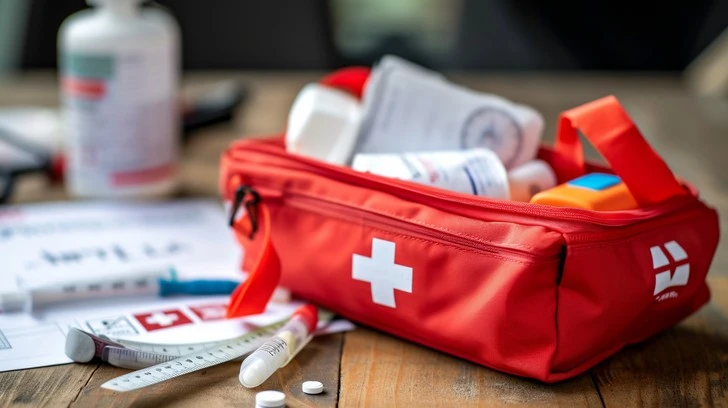
In the event of a disaster or emergency, it is crucial to have access to first aid and medical supplies. Immediate access to such items can mean the difference between minor treatable injuries and life-threatening conditions. Consequently, the provision of these essential supplies should be an integral part of any robust Bug Out plan.
Medical supplies can include a comprehensive range of items such as bandages, antiseptic wipes, pain relievers, gauze, and tweezers, along with more specialized items like glucose and blood pressure monitors. Likewise, essential first aid supplies might incorporate treatments for burns, cuts, and fractures, as well as epinephrine auto-injectors for severe allergic reactions. A properly stocked first aid kit can handle a wide variety of medical situations while waiting for professional medical care to become accessible.
Clothing and Shelter Requirements
When formulating a bug out plan, thoughtful consideration must be given to the types of clothing packed. Choosing items that can be easily layered allows for greater flexibility in adapting to varying weather conditions. Moreover, each piece of clothing chosen should serve multiple purposes. For example, a bandana can be used as a head covering, makeshift bag, or first aid tool. Hats, gloves, and sturdy, waterproof shoes are also crucial items to have on hand since protecting your extremities from the elements can be a matter of life or death.
Shelter, on the other hand, provides basic protection from the elements and is an integral part of any survival plan. Lightweight options like tents and bivvy bags are ideal as they can be easily carried and erected in any environment. It’s also beneficial to include items for insulating the shelter like a sleeping bag or blanket. Even if a stable structure is your primary shelter, having these backup options can prove invaluable, especially if circumstances force a move from the initial location.
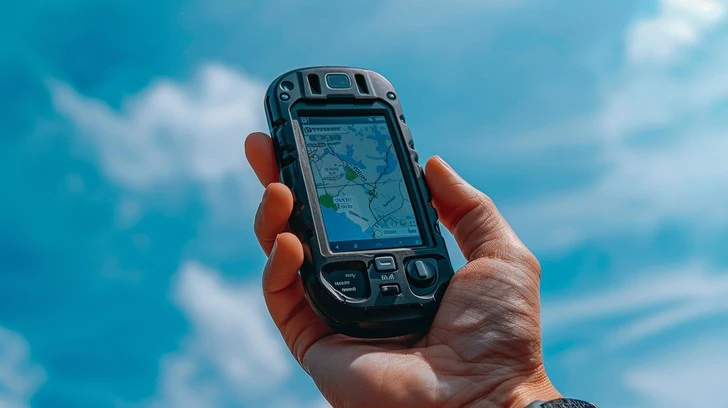 Undeniably, creating an effective bug out plan also entails integrating apt navigation tools. These tools are essential for identifying your location, even in unfamiliar areas, and reaching your predetermined bug out location in a timely and safe manner. The most common navigation tool is a compass, which aligns itself magnetically with Earth’s magnetic field to point towards the North Pole. This is an essential tool to have, as it does not rely on technology or battery power and can stand the test of time.
In addition, one should also consider incorporating GPS devices in their bug out plan. These devices offer precise geographic information, making it easier to find your way or track your progress while moving towards your bug out location. Maps of the local area and regions en route to the bug out location should also be included; these can be used in tandem with your compass or GPS device to chart the most efficient and safest route. Remember that understanding how to use these tools effectively is just as important as having them in your arsenal.
Communication Equipment for Disaster Scenarios
In the face of unpredictable disasters, the importance of reliable communication equipment becomes undeniably crucial. Preservation of contact and communication channels can significantly increase survival chances by ensuring timely access to vital information and coordination. Inevitably, a comprehensive disaster preparedness plan should include a selection of robust and dependable communication tools.
Among essential communication equipment for disaster scenarios, reliable radio devices, satellite phones, and signaling devices are prime considerations. A high-frequency, multi-band radio device can enable access to news broadcasts, weather updates, emergency instructions, and even potentially connect you with rescue or survival groups. Satellite phones provide another means for communication when conventional networks may be non-functioning or overburdened. Lastly, signaling devices like mirrors, flares, and whistle allow one to alert others of their position. Every piece of equipment supplementing communication capabilities underpins survival and safety in critical situations.
Personal Defense and Safety Measures
For a successful Bug Out Plan, personal safety should be your top priority. Your fortification banner entails suitably armoring yourself against potential threats, be it from unruly mobs, wild critters, or an unexpected street fight. Proper defense measures don’t necessarily advocate violence; instead, they offer an upper hand when it comes to navigating through potentially dangerous situations.
It’s crucial to realize the unpredictable nature of emergencies; hence the need for proper training in martial arts or self-defense techniques. Equipping yourself with non-lethal weapons such as pepper sprays, stun guns, or safety whistles can provide an extra margin of security. Ultimately, the best defense is incorporating an element of safety measures into your day-to-day behavior. This includes being aware of your surroundings, staying vigilant, and trusting your instincts.
Including Essential Documents in Your Plan
During the planning phase of a Bug Out Plan, the importance of including essential documents cannot be overstated. These documents are necessary to establish your identity, access services, and are especially needed for efficient recovery after a disaster situation. Documents such as passports, driving licenses, birth certificates, medical records, insurance details, and property documents; are critical for numerous reasons from ensuring your mobility across checkpoints to gaining access to medical services or filing insurance claims.
A common mistake when including these documents in a Bug Out Plan is to pack the original documents. This can pose a risk of irreversible loss. Instead, opt for copying these vital records. Duplicates, scanned versions, or photographs of these documents can be stored in a waterproof and fireproof kit. Utilizing digital storage options like secure cloud storage can provide an additional layer of protection. Ultimately, securing vital documents is an integral part of any solid Bug Out Plan, ensuring your rapid recovery and return to normalcy after a disaster.
Planning Your Evacuation Route
An effective evacuation plan emphasizes the significance of pre-determined escape routes. It is advisable to have more than one route, if the primary path is obstructed or unsafe. These routes should be mapped out, studied and memorized, to avoid confusion amidst stress. It is essential that these selected paths are practical and lead to predetermined safe points or bug out locations away from possible threats. The evacuation route should be as direct and obstruction-free as possible for efficient passage.
With the unpredictability of disaster scenarios, it is prudent to consider multiple factors while planning your evacuation route. This might include expected traffic congestion, the probability of road blockage, the accessibility of routes in various weather conditions, and, importantly, the types of disaster your locale is prone to. Regular revisiting and, if needed, revising of your evacuation route is recommended, to account for changes in physical landscapes and socio-political scenarios. It is about being prepared for contingencies, and resilience in the face of adversity.
Transportation Options for Bug Out Scenarios

When contemplating a bug out plan, considering transportation options is crucial. Interestingly, the type of transportation needed largely depends on the bug out location you have chosen. If you’re planning to bug out to a secluded cabin in the woods, a four-wheel drive vehicle with off-road capability will likely be the best choice. On the other hand, if you’re moving to a pre-established community setting, a simple and reliable car or motorcycle may suffice.
The distance you need to travel also plays a vital role in transportation selection. For longer distances, fuel efficiency should be top priority, while for shorter distances, the carrying capacity of the vehicle may take precedence. Thus, these factors need to be carefully weighed to enhance the success of your bug out plan. Other possible transportation methods include bicycles, boats, or even on foot, depending on the severity of the disaster, the surrounding environment, and available resources.
Training and Skills Necessary for Survival
It is essential to hone certain skills that will aid in survival when executing a bug out plan. These vital abilities range from understanding basic first aid, the art of fire-making and knowing how to find and purify water, to more complex skills like navigation, self-defense, and hunting for food. It’s equally important to learn the best ways to build a shelter, to protect yourself from the elements. Familiarize yourself with the regional flora and fauna, as knowledge of local vegetation helps in identifying edible plants and recognizing poisonous ones.
Training for disastrous situations is equally important as having a bug out plan. Regular practice will ensure that your preparedness skills remain sharp and instinctual. When under extreme stress, people often forget even well-learned skills. Regular drills of your evacuation route and exercising emergency procedures can help lessen panic during a real emergency, facilitating a smoother execution of your bug out protocol. Skills, once learned, must be continuously refined and updated according to new knowledge and techniques. This way, when disaster strikes, you won’t merely be relying on supplies and equipment but also on your own skills and training.
Executing Your Bug Out Plan Effectively
To ensure effectiveness of your bug out plan, execution is as important as the planning process. An ideal response time is an essential component. In a disaster scenario, time is a critical factor and being able to promptly respond and vacate the premises is key. Familiarity with the plan will significantly reduce response time.
Incorporate practice drills into your routine to enhance familiarity. Ideally, your family or those you plan to bug out with should participate in these drills. It is important to treat these practice drills with seriousness. This way, in the face of an actual disaster, panic would be significantly reduced as everyone would be familiar with what they are supposed to do.
Maintaining and Updating Your Bug Out Plan
 The dynamics of the world we live in are constantly changing, making it essential to maintain and update your bug out plan regularly. Natural potentialities shift, resources fluctuate, and our physical abilities and skills may evolve over time. Therefore, it is a prudent decision to revisit your plan quarterly, reassess its components, and make necessary adjustments. This practice keeps your tactical strategy agile and capable of handling varying circumstances.
In your maintenance and updating process, conducting practical drills should not go overlooked. Carry out simulations under different conditions to test and refine your plan. Such exercises provide invaluable insights on any area of your plan that might need tweaking. Remember, experience is the best educator. Assimilating these hands-on experiences can improve your survival probabilities during an actual emergency.
Mistakes to Avoid While Creating a Bug Out Plan
One critical misstep often observed in crafting a bug out plan is neglecting the importance of ongoing training and realistic practice drills. Many assume that having a well-documented plan, stashed with all essential supplies, is sufficient; however, without regular practice, individuals risk forgetting vital aspects of their plan or panic under stressful circumstances. Additionally, regular drills allow for the identification of potential setbacks early, providing the chance to rectify these issues before a real disaster strikes.
Another common mistake is overpacking the bug out bag. Survival gear, food, first aid kits, and clothing are no doubt essential but they add weight. Hauling a heavy bag for an extended period, especially under adverse conditions, may lead to unnecessary physical straining, fatigue, or possible injuries. The key is to balance between essentials and your physical capacity, choosing lightweight, multipurpose items where possible. Remember, the main aim of a bug out plan is to ensure survival and not to cover every conceivable luxury or comfort.
Case Studies on Successful Bug Out Plans
In the aftermath of Hurricane Katrina, numerous survivalists were able to rise to the occasion as a result of their robust bug out plans. These individuals had a foresighted vision, realizing that natural disasters were a compelling possibility. By securing a location away from the prone disaster areas, these pioneers ensured their families’ safety away from the destruction. Their plans also included food, water, first aid supplies, clothing, and essential documents that were required. This preparation allowed substantial autonomy, reducing reliance on overwhelmed disaster relief services.
Another standout example was observed during the wildfire outbreaks in California. Having a well-constructed bug out plan was instrumental for the majority of the survivors. These individuals fared significantly better during evacuations, having predetermined evacuation routes and a variety of transportation options at their disposal. Rigorous practice and testing of their plans ensured familiarity with their tools and equipment, proving pivotal in the stressful situation. Consequently, their swift reaction time was indispensable in these spontaneous wildfire scenarios, underscoring the importance of a well-prepared bug out plan.
FAQ
What is a Bug Out Plan?
A Bug Out Plan is a pre-established strategy detailing how to evacuate and where to go during a disaster or emergency. It includes a specific evacuation route, a designated ‘bug out’ location, and a checklist of necessary equipment and supplies.
Why is disaster preparedness important?
Disaster preparedness reduces the impact of disasters on vulnerable populations and allows for a faster recovery. It ensures personal safety, minimizes loss of property, and grants peace of mind during stressful situations.
What factors should I consider when choosing a bug out location?
Your bug out location should be safe, secure, and ideally, self-sustainable. It should be far from potential disaster zones, easily accessible, and have resources like food, water, and shelter.
What are some essential items to include in my bug out bag?
Your bug out bag should include food, water, first aid supplies, clothing, shelter, navigation tools, communication equipment, personal defense tools, and essential documents.
How do I plan my evacuation route for a bug out plan?
Your evacuation route should be the shortest and safest route to your bug out location. It should avoid major roads which might be congested during a disaster, and consider multiple routes in case one is blocked.
Is personal defense and safety important in a bug out plan?
Yes, personal defense and safety are crucial in a bug out plan. This could involve self-defense tools, skills, or protective clothing to ensure you can protect yourself and your group.
Can you provide examples of successful bug out plans?
The article provides a number of case studies on successful bug out plans, showcasing their effective execution during different disaster scenarios.
What are common mistakes to avoid when creating a bug out plan?
Common mistakes include not practicing the plan, failing to consider multiple evacuation routes, neglecting to pack essential items, not considering the needs of all family members, and failing to update the plan regularly.
What type of training and skills are important for survival?
Skills like first aid, navigation, communication, basic survival skills such as fire-starting or fishing, and self-defense can be vital in a disaster scenario.
How often should I update my bug out plan?
It’s recommended to review and update your bug out plan at least once a year, or whenever there are significant changes in your living situation, such as moving house or adding a new family member.